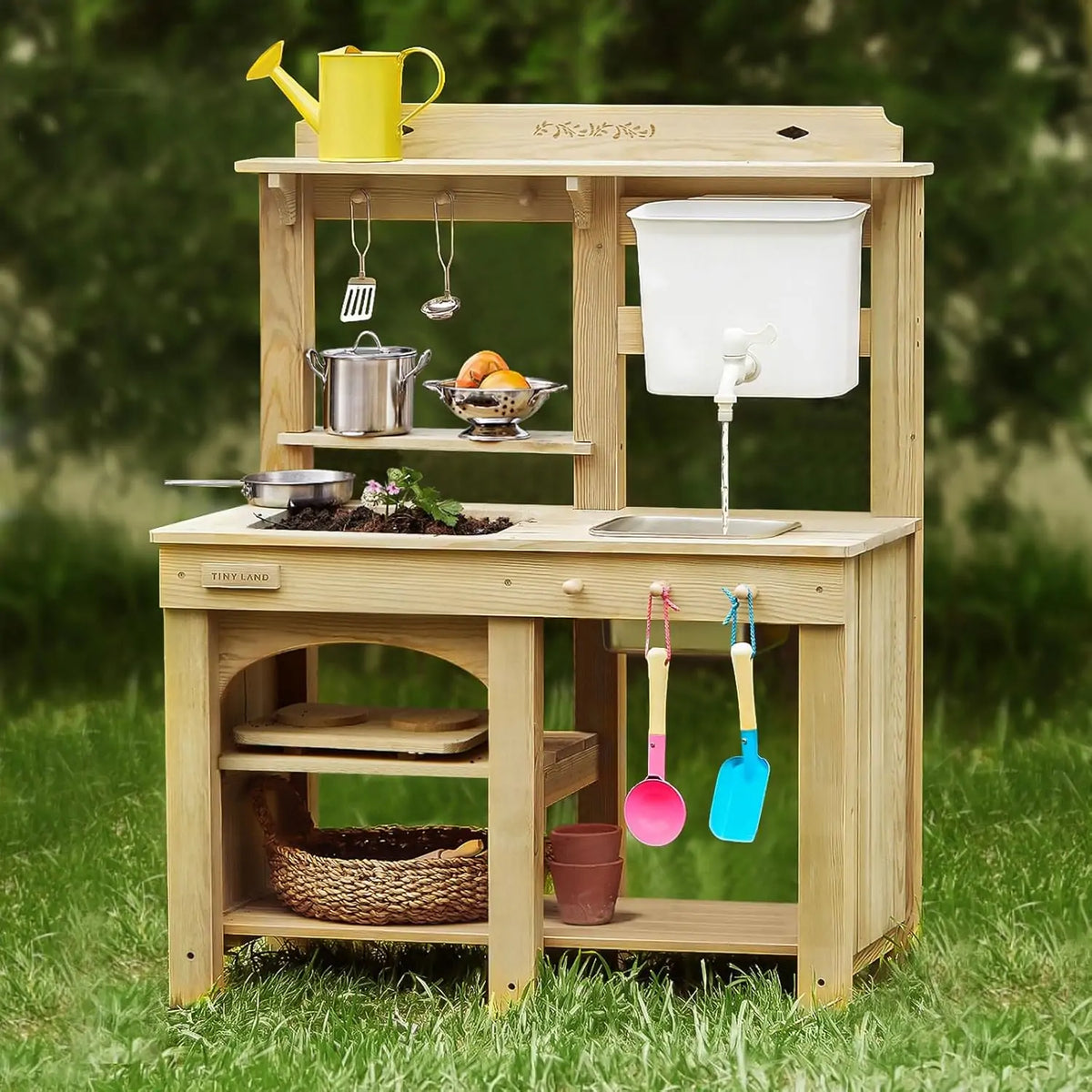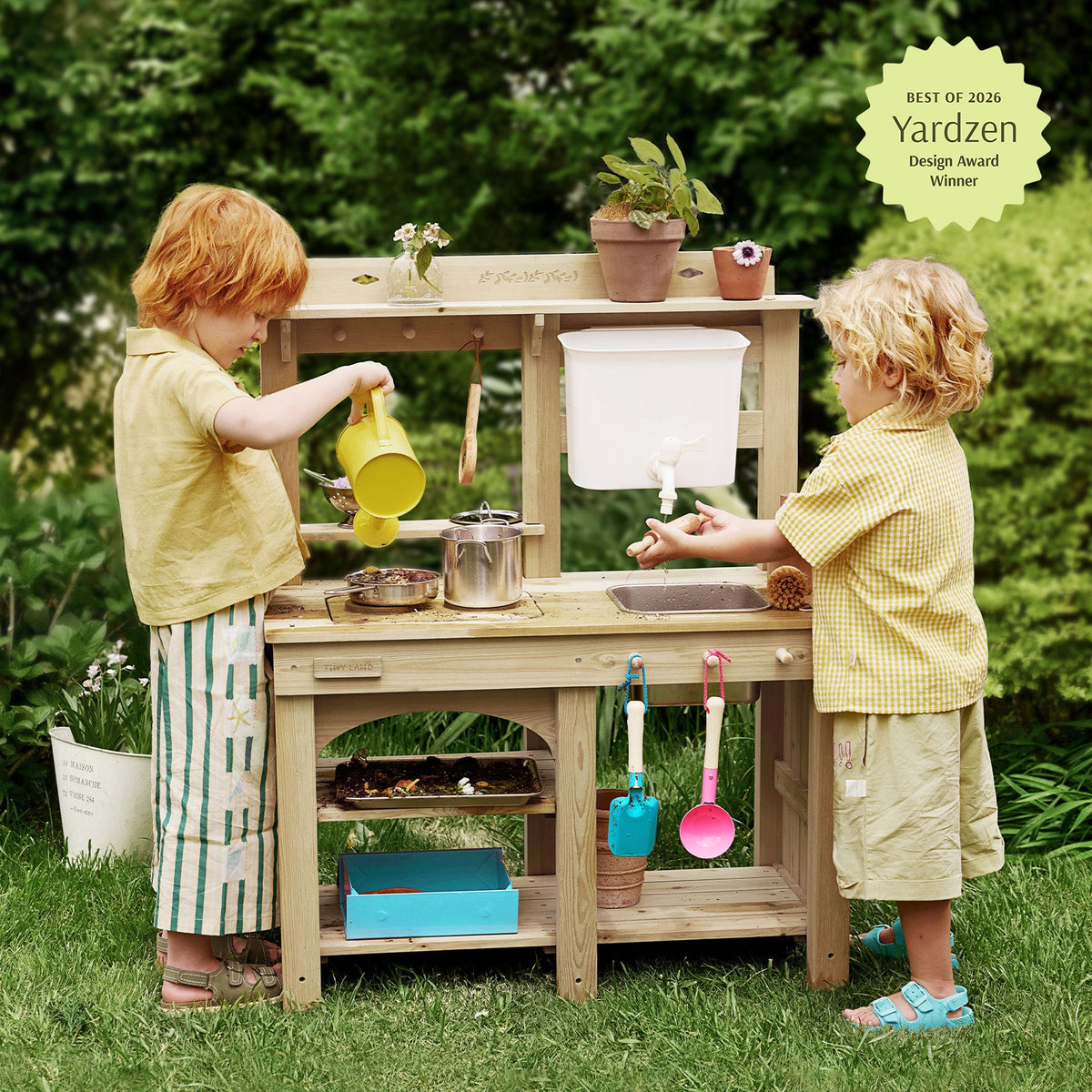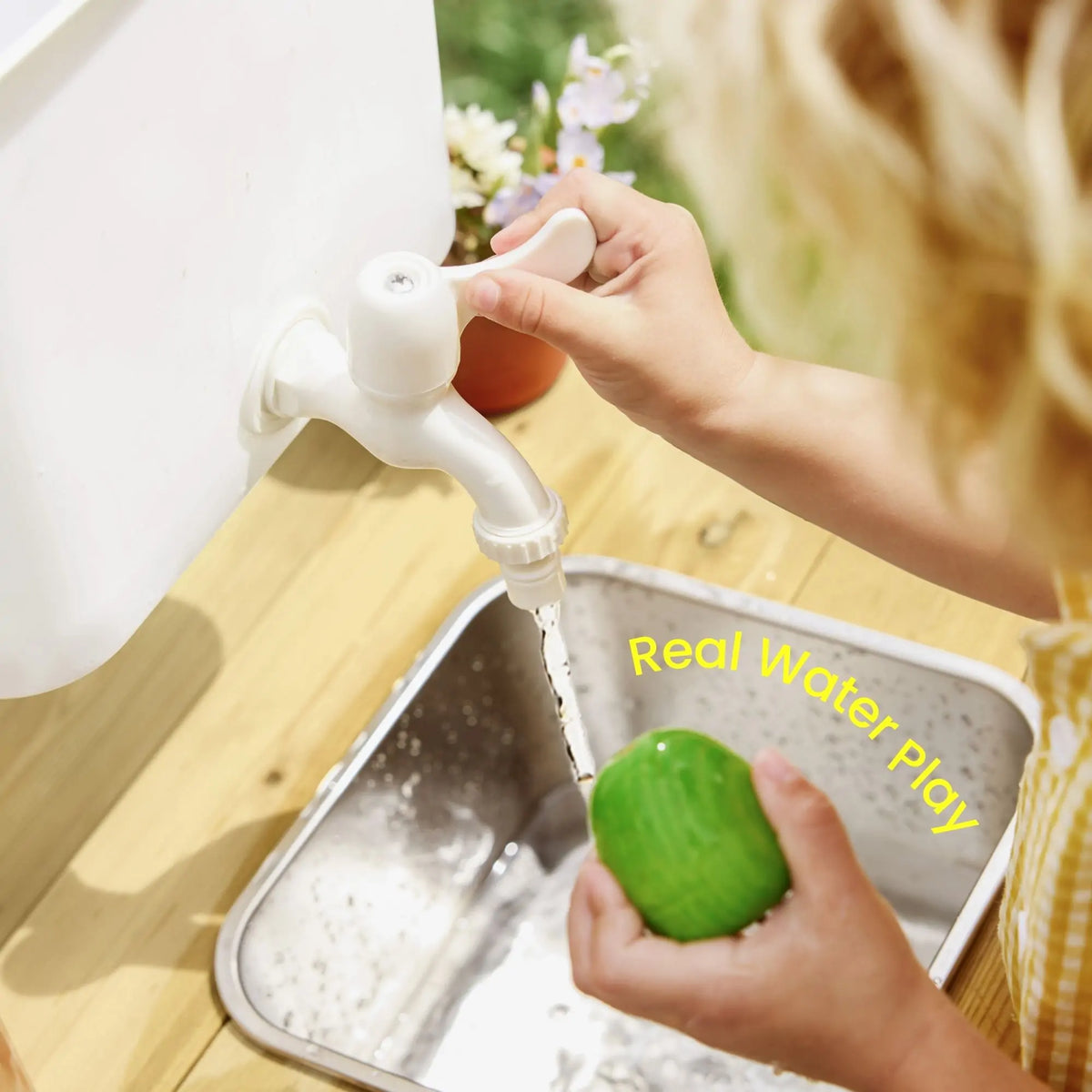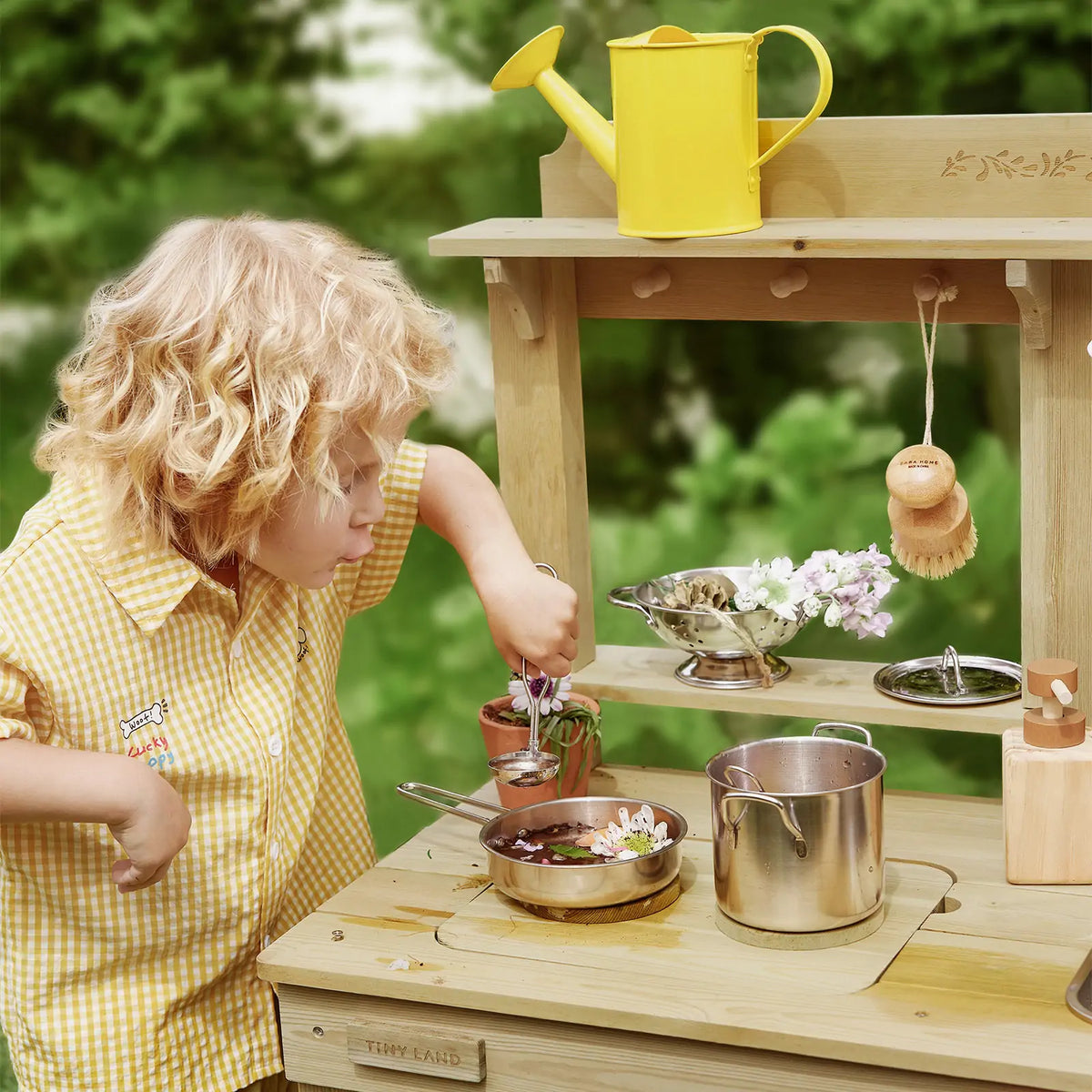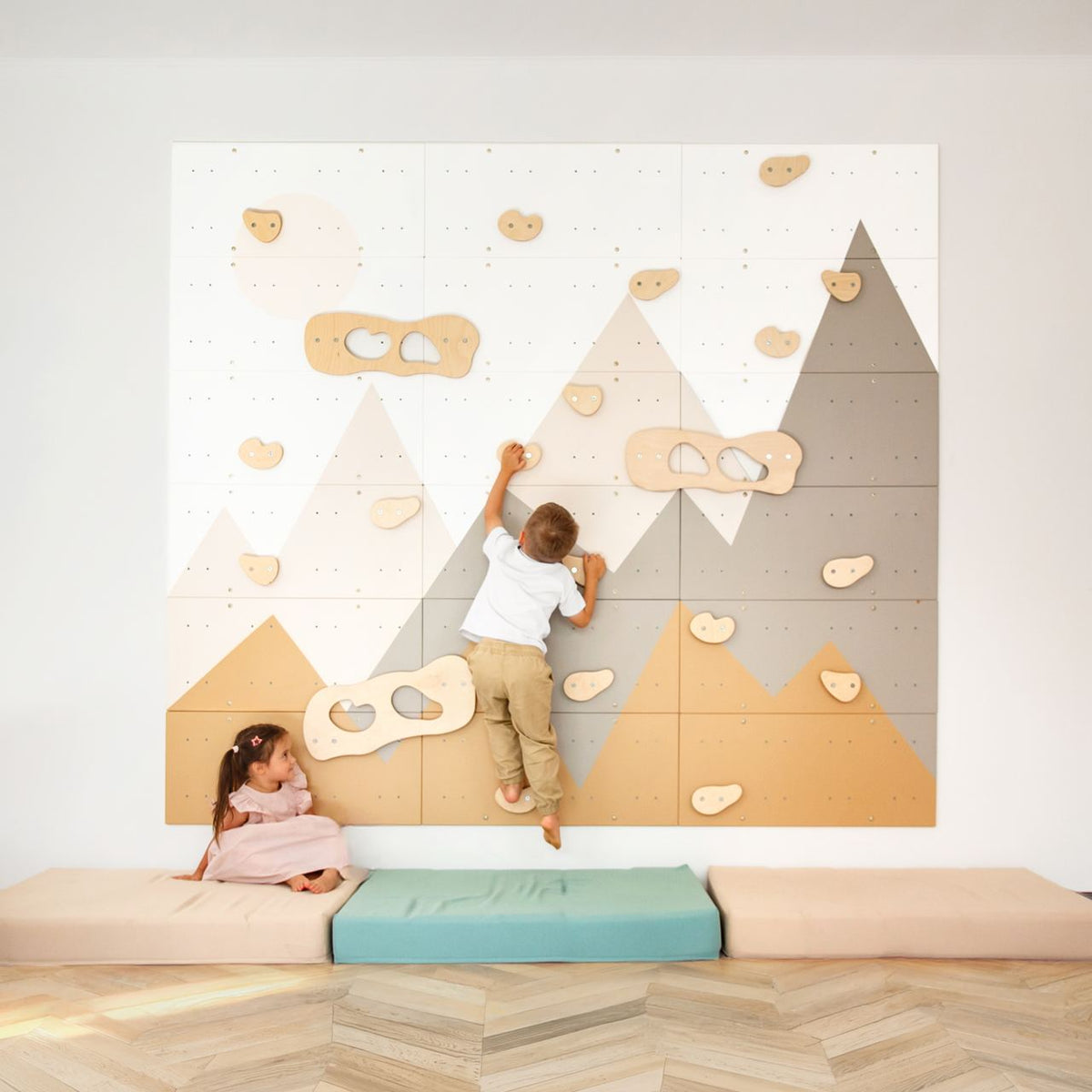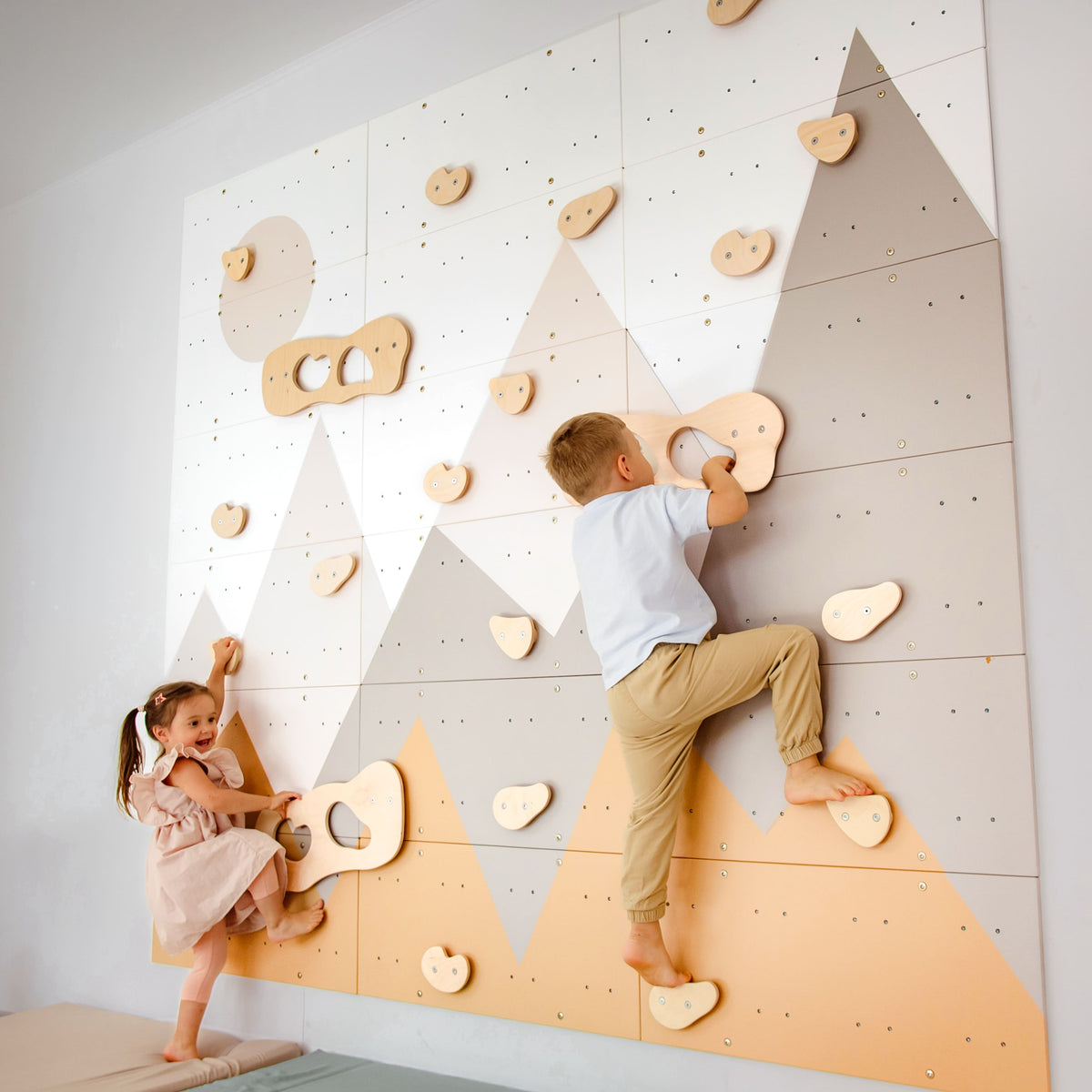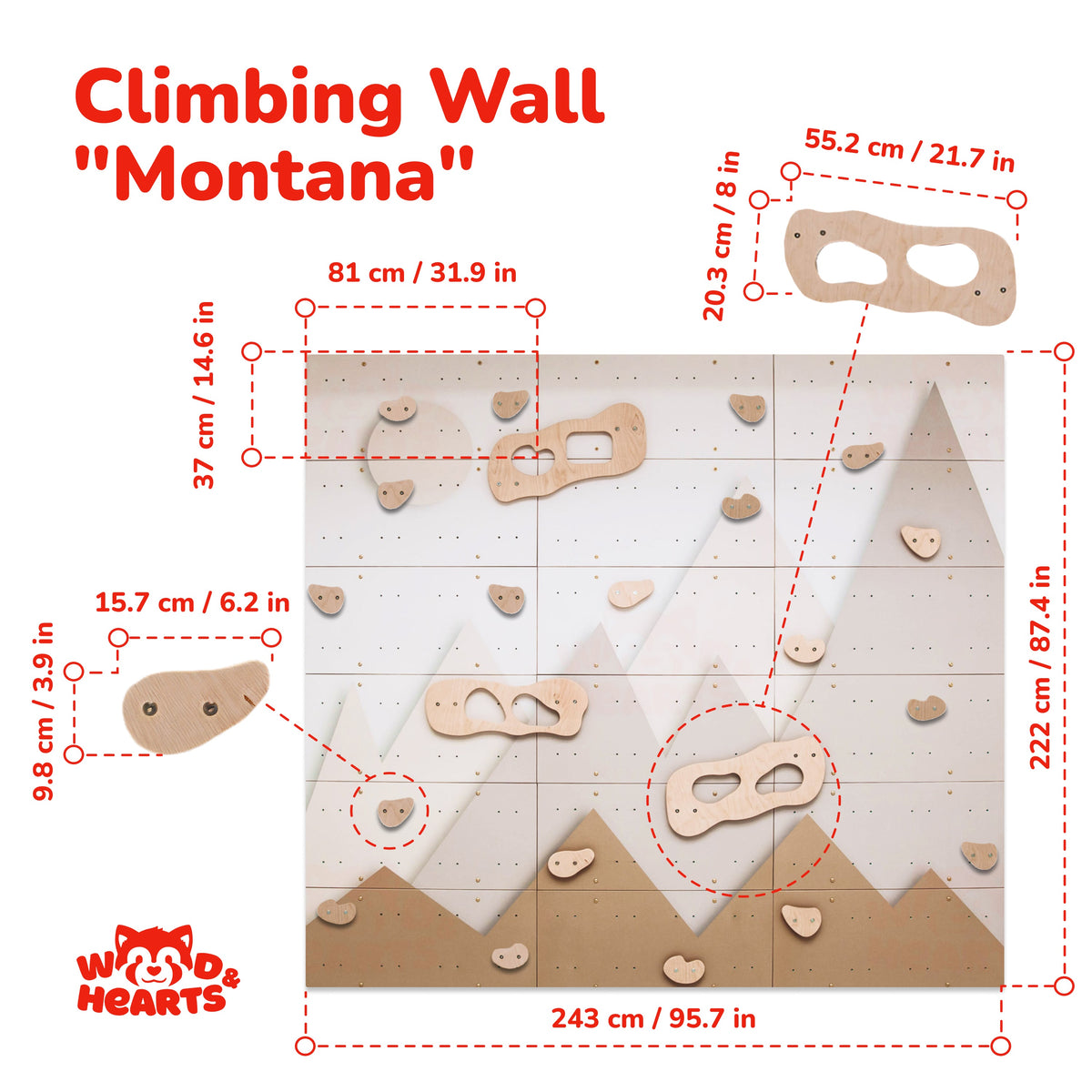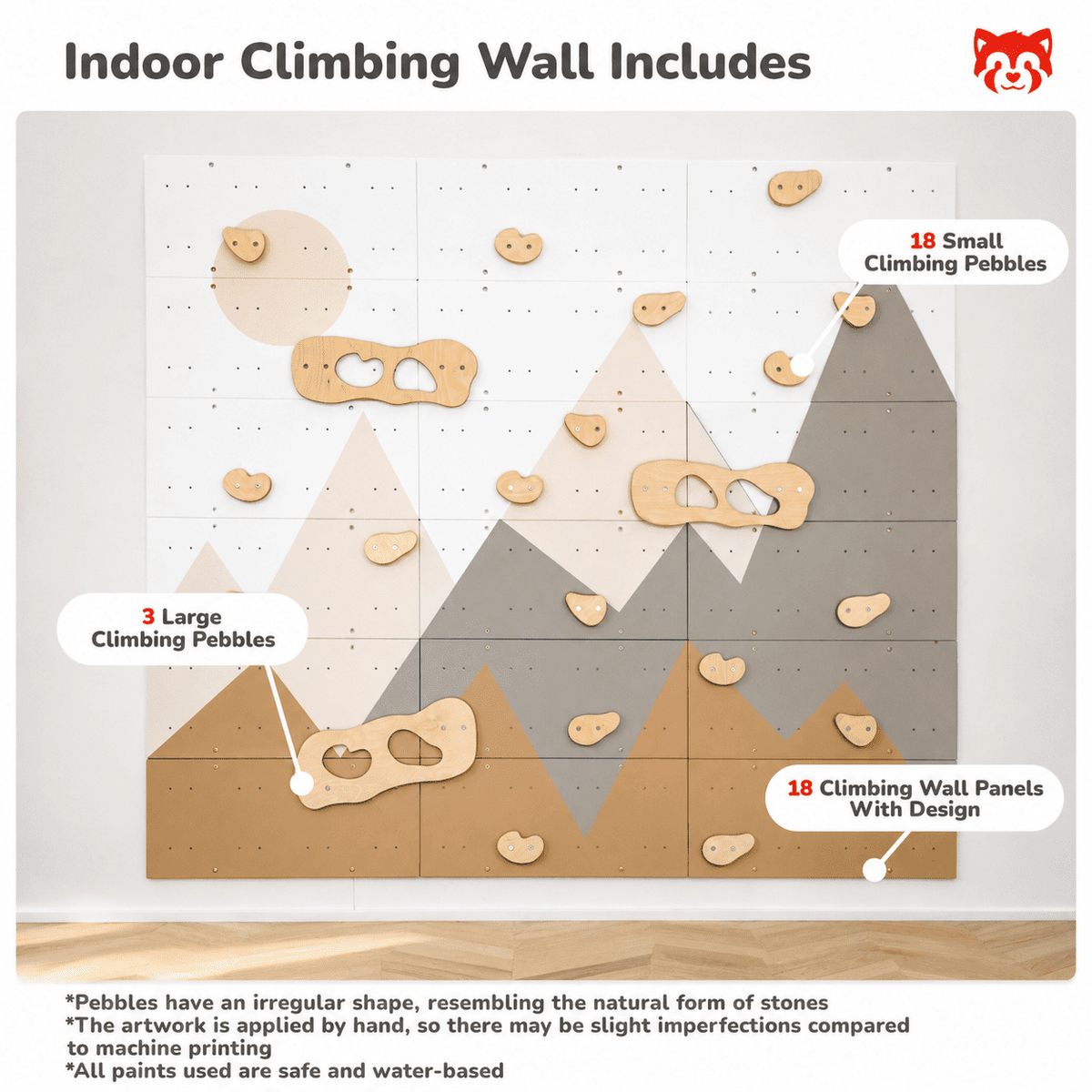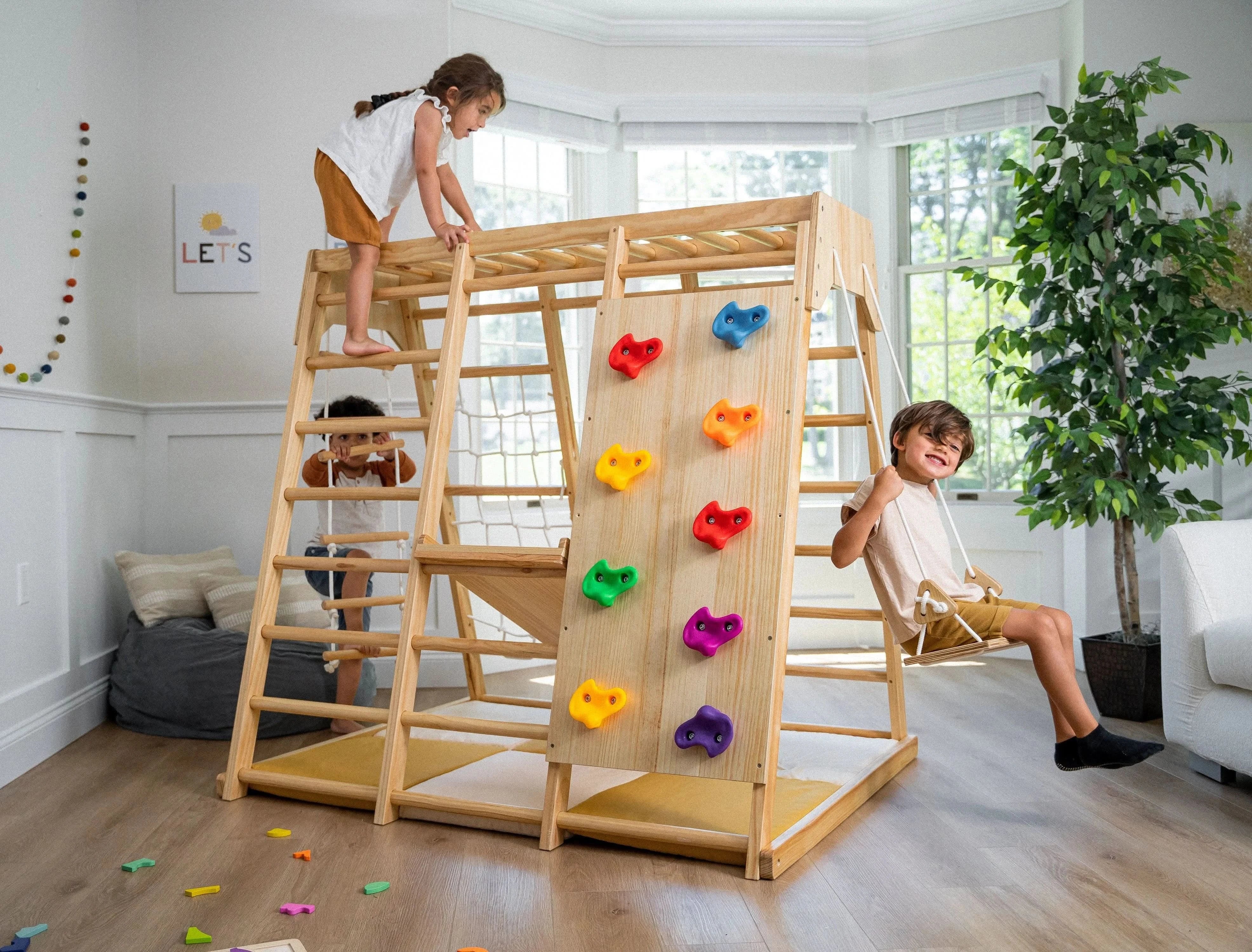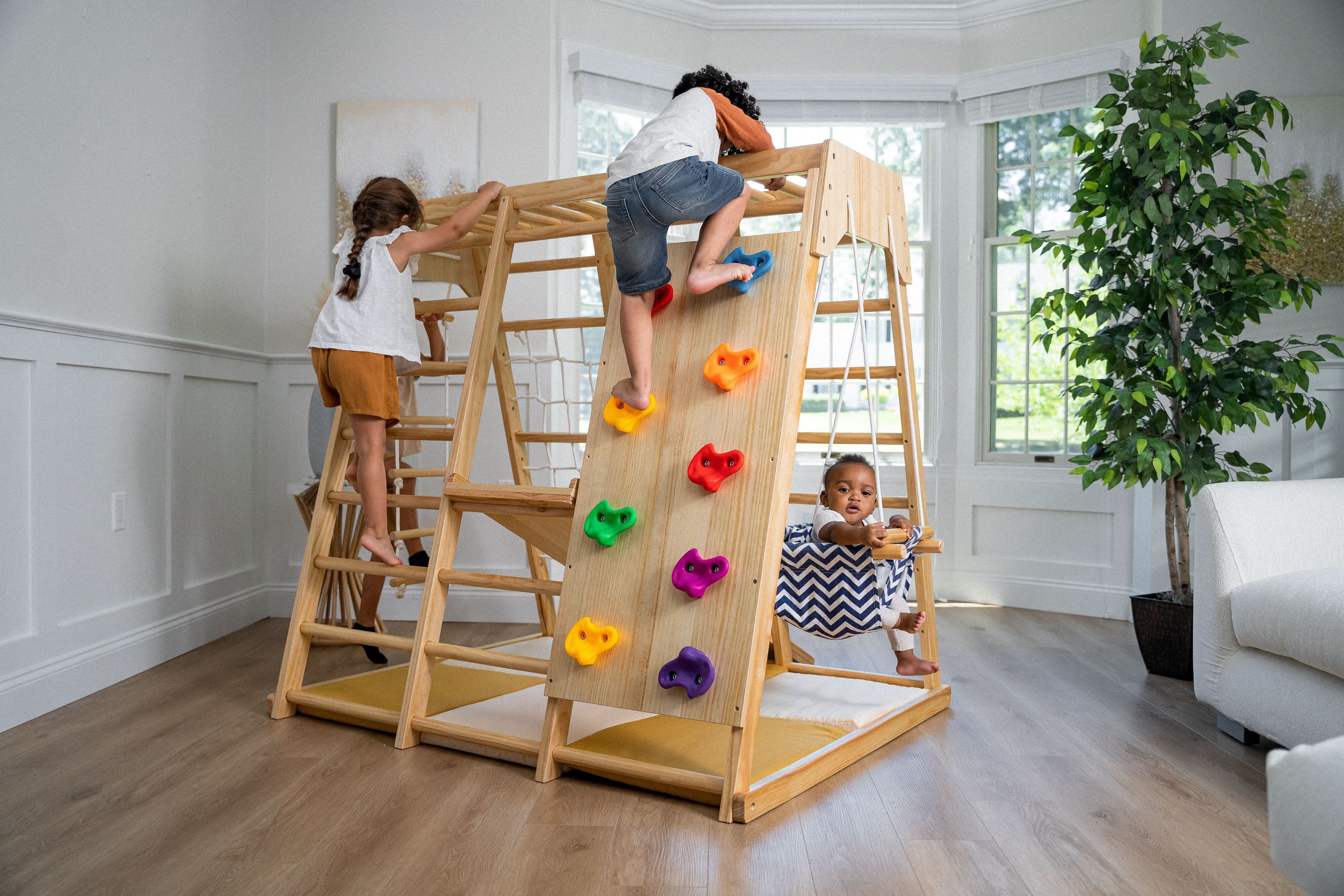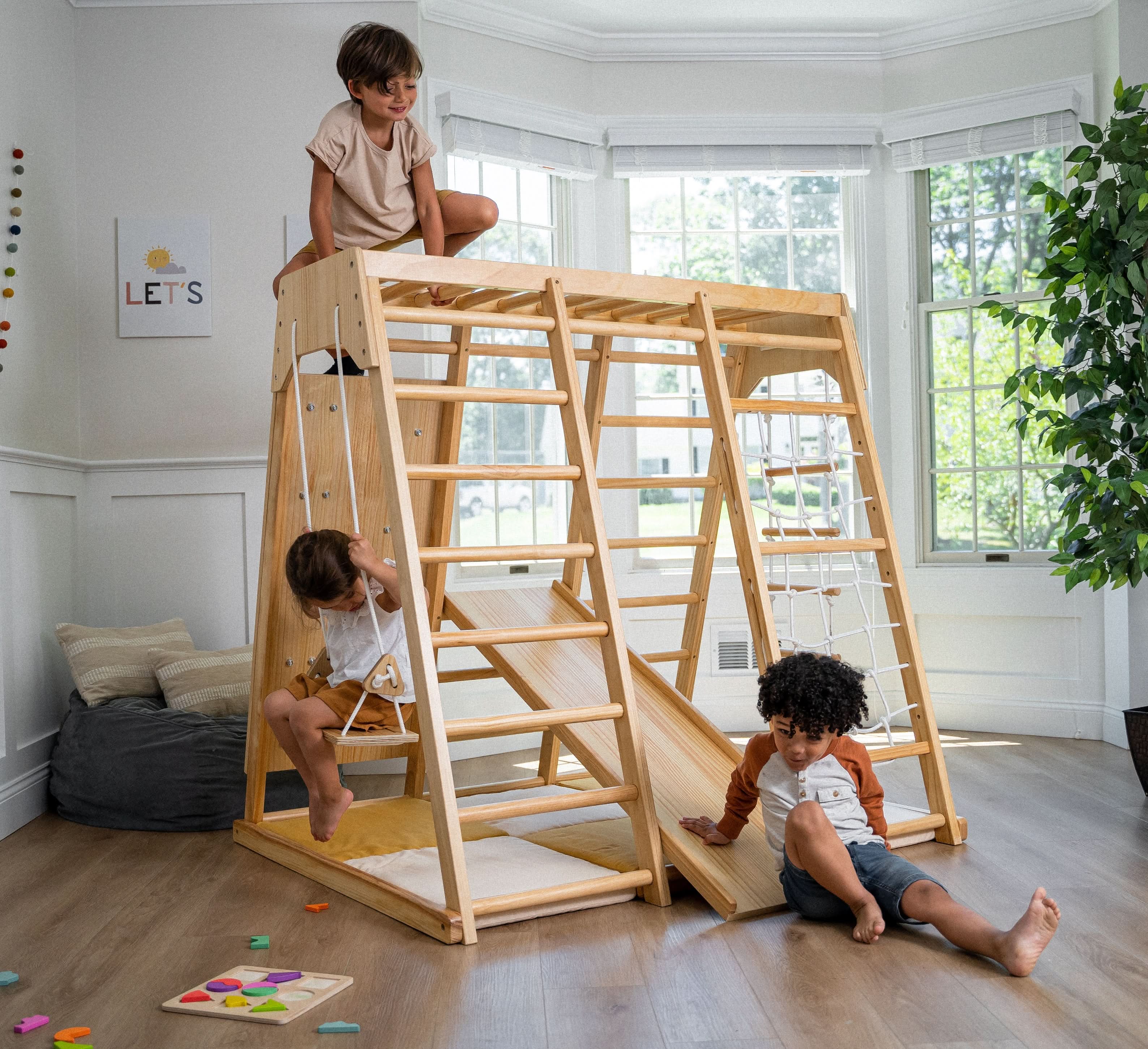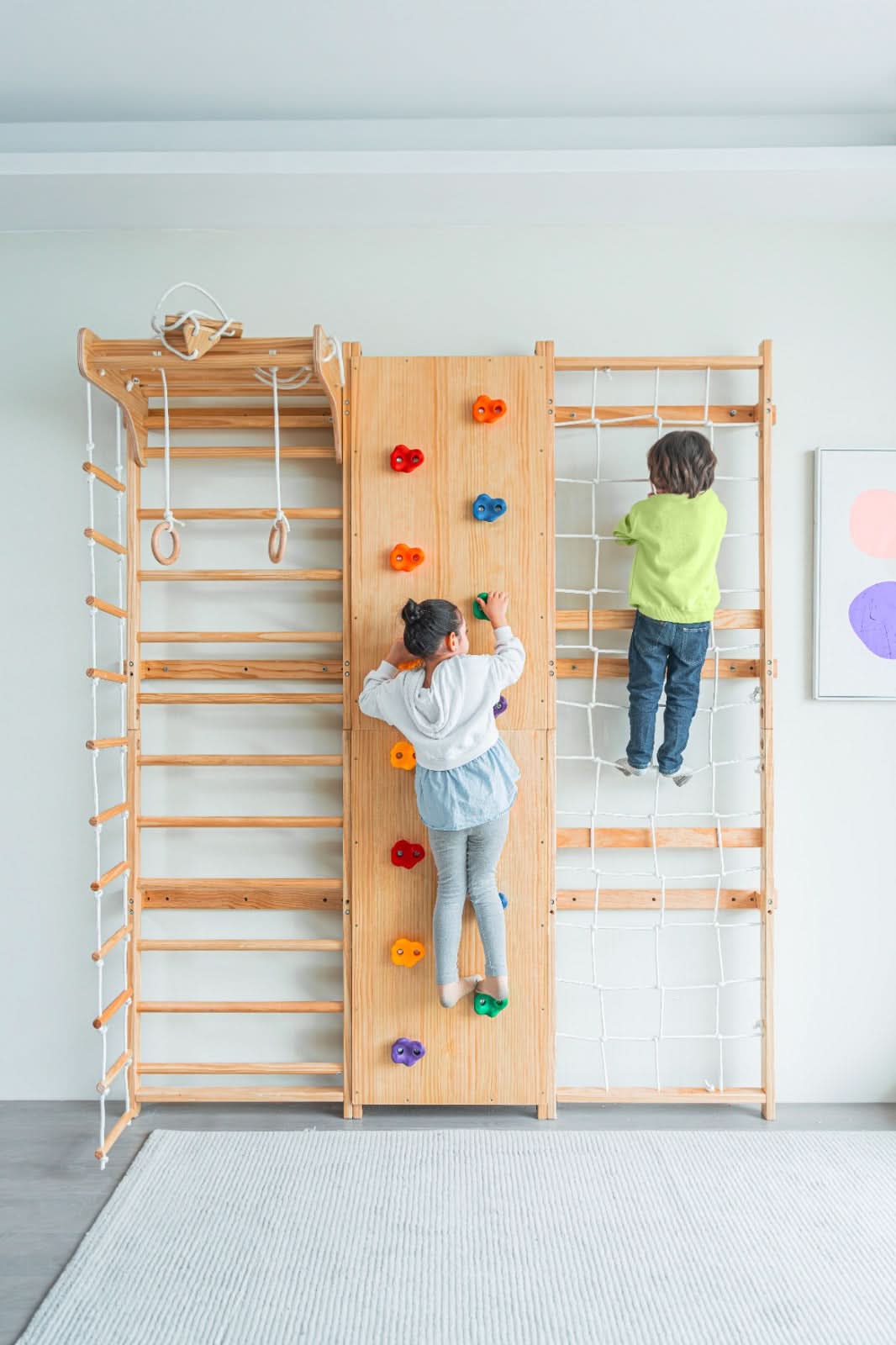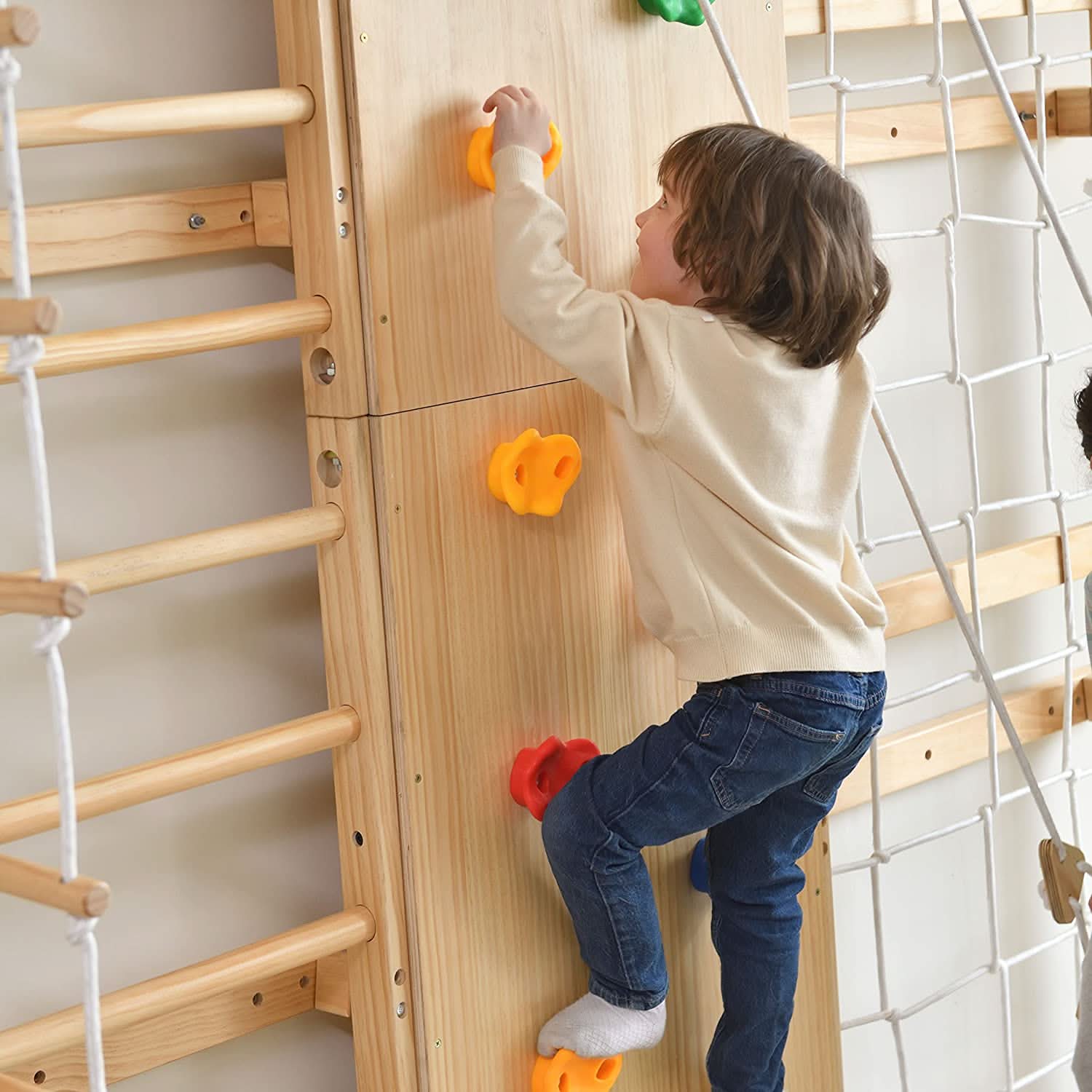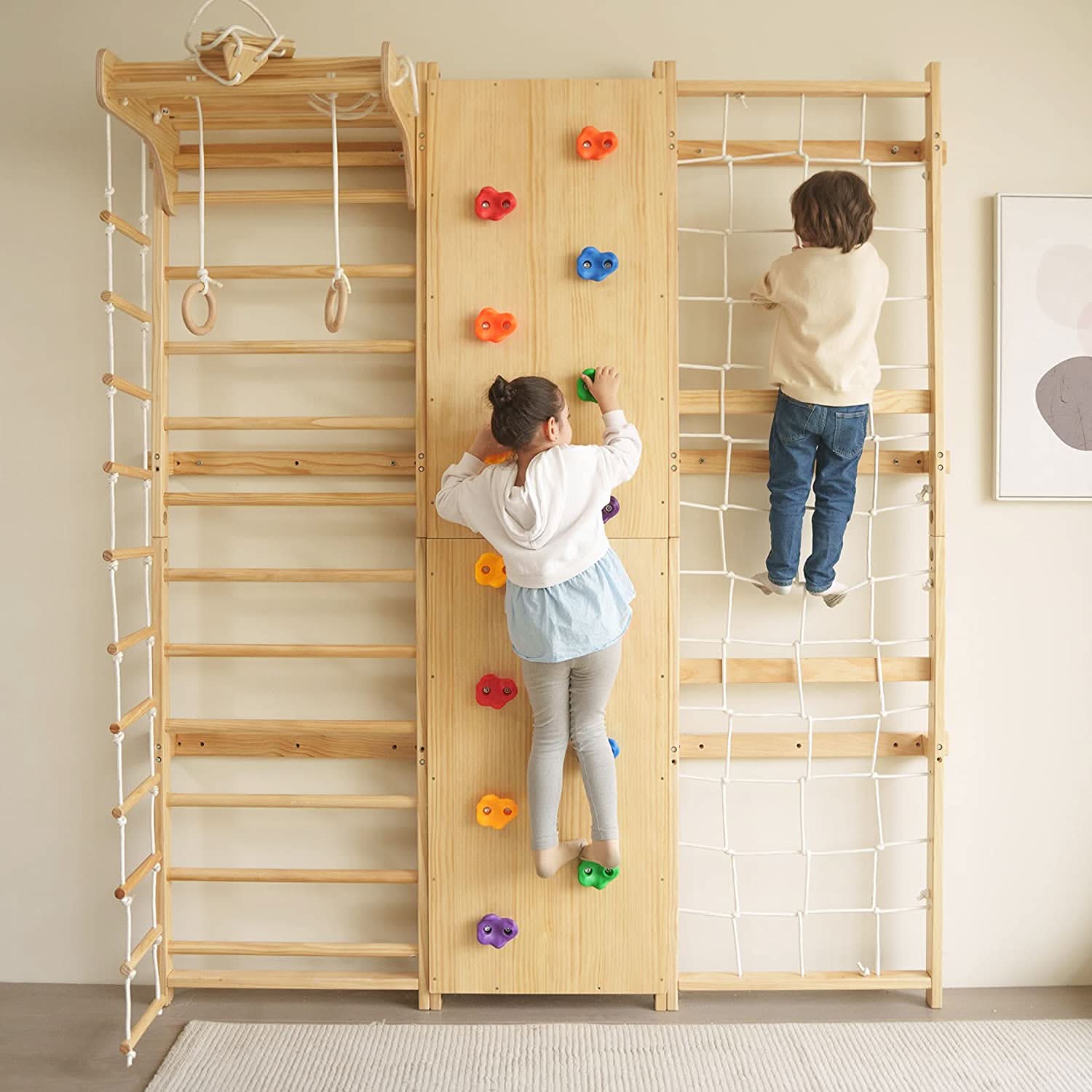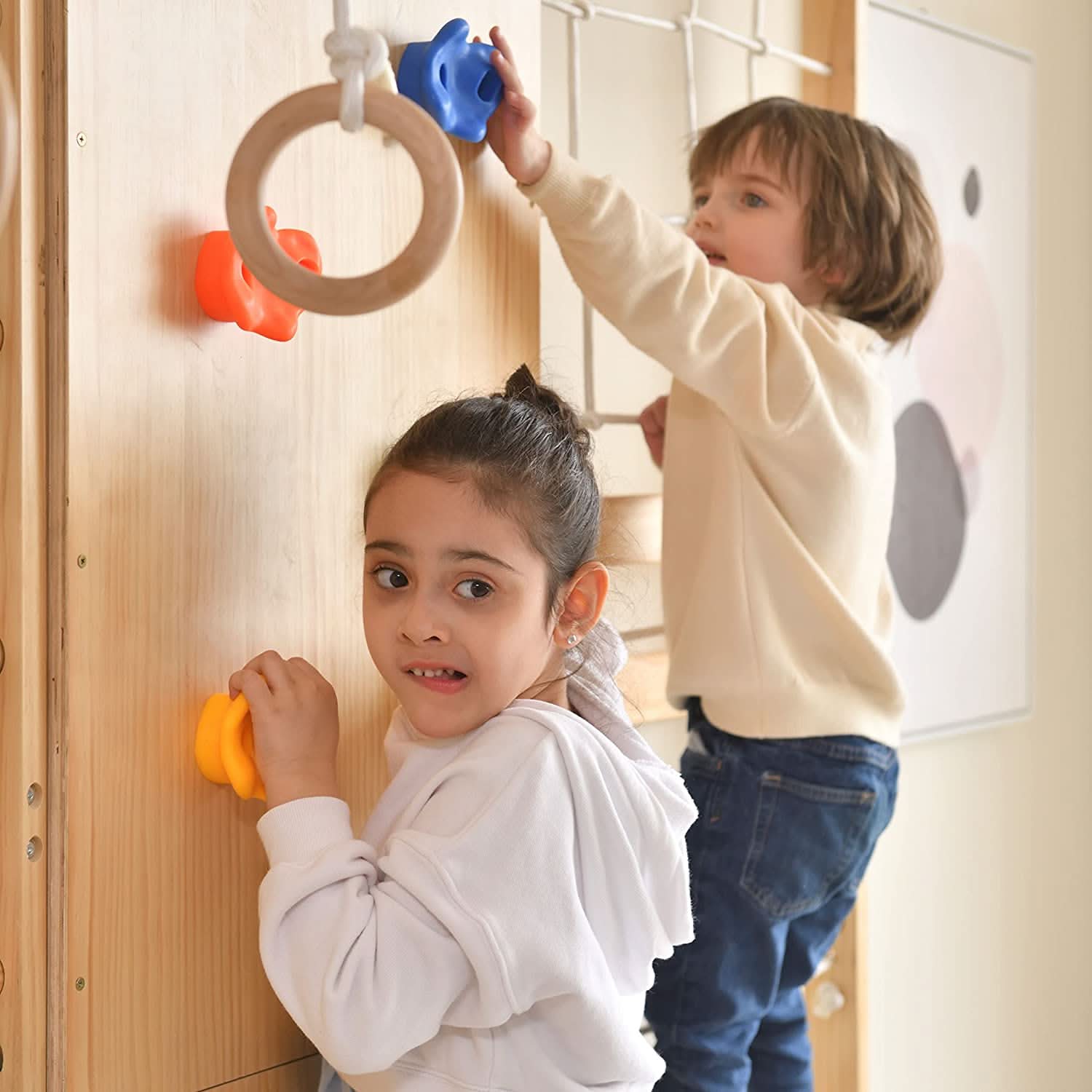
We believe in the power of play. Make it fun!
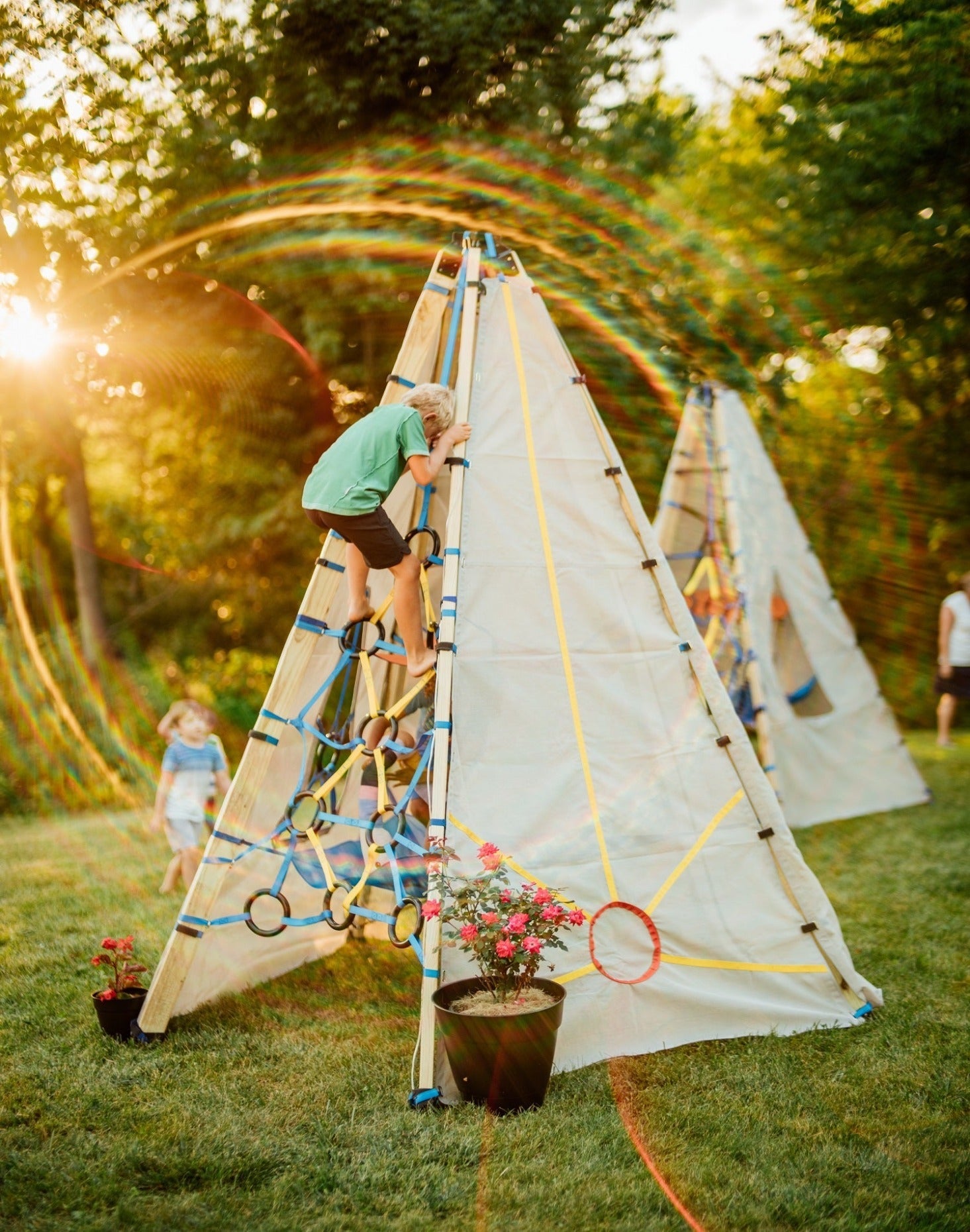
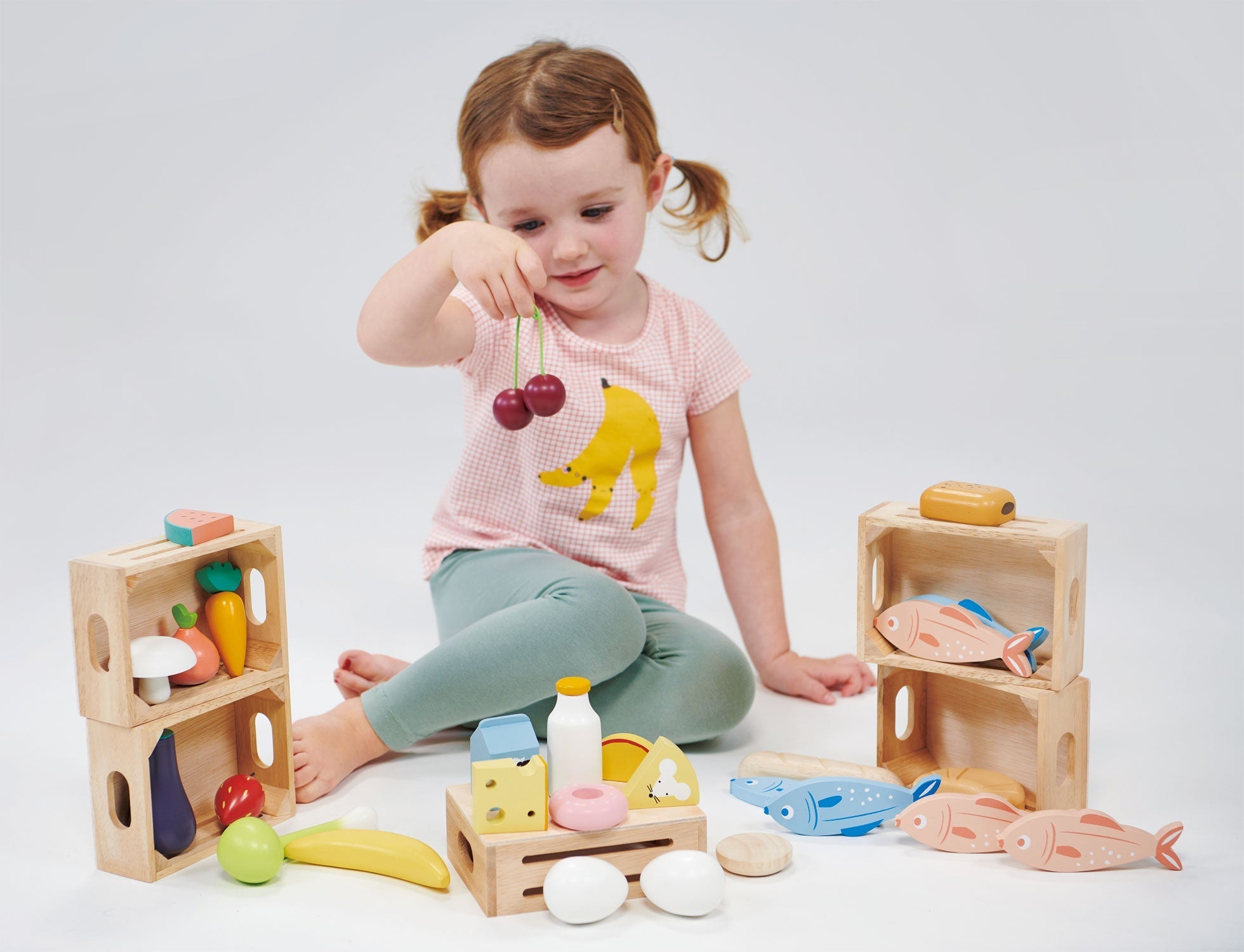
We believe learning works best when it feels like play. Our products are designed for diverse sensory and developmental needs, helping kids build real skills through hands-on, joyful experiences. When kids are having fun, they're not just playing. They're growing.
Best Sellers
Bijou Build Mainstay Curriculum Set
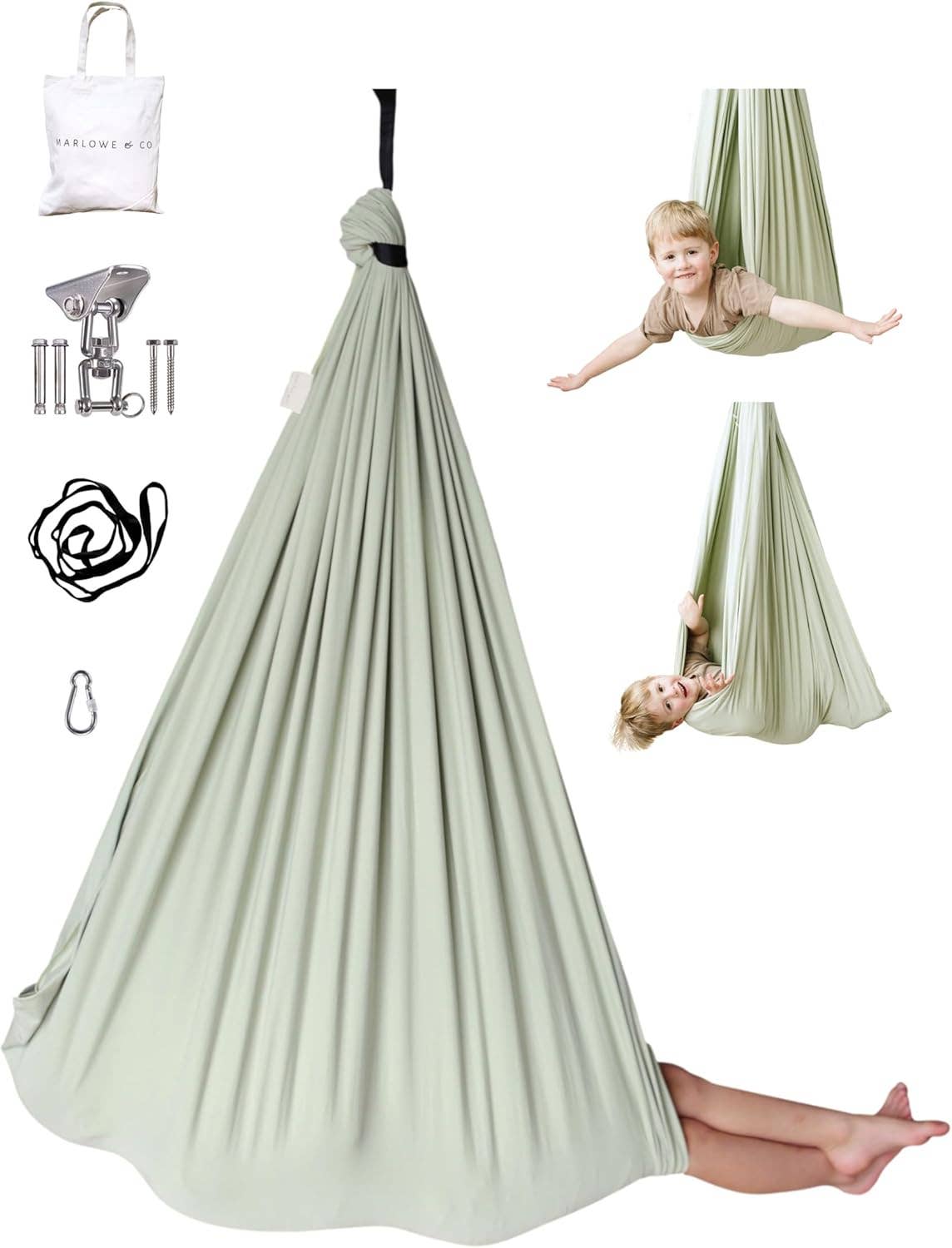
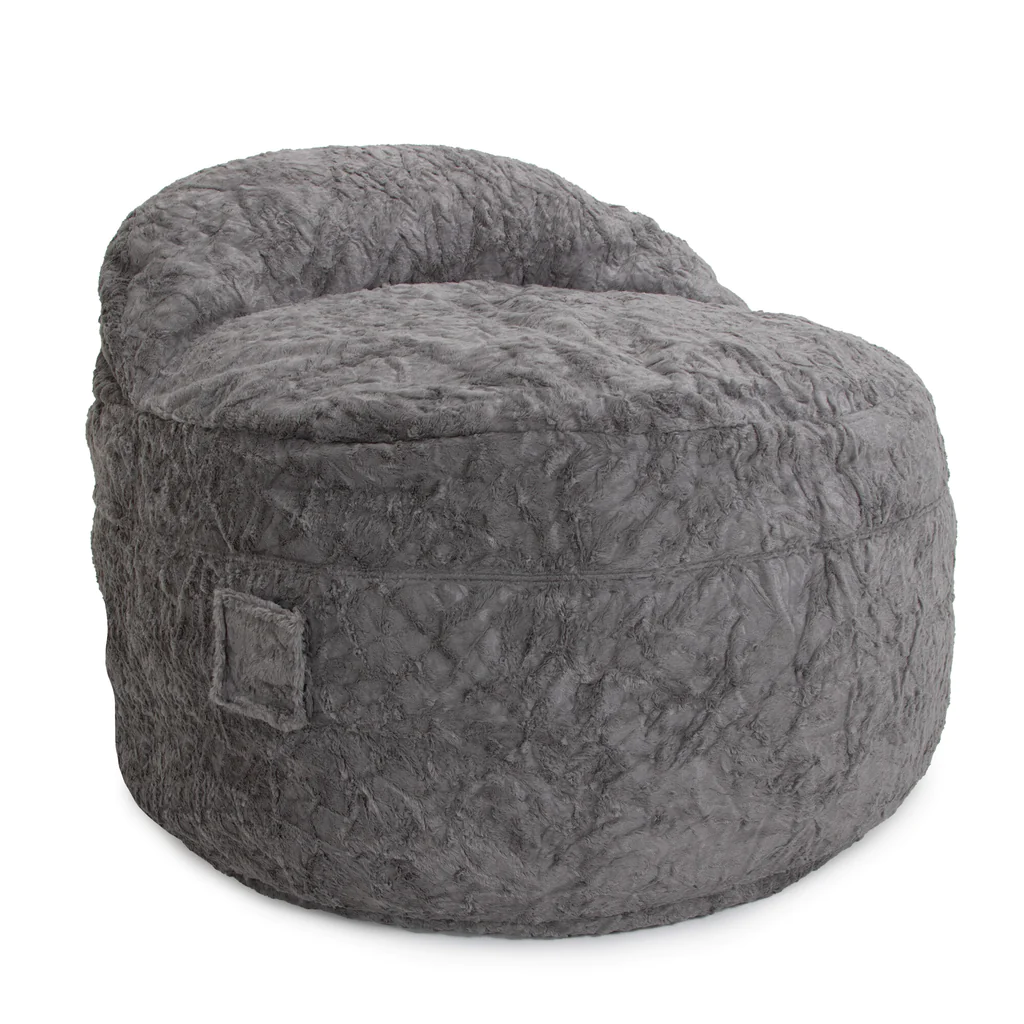
CordaRoy's Sensory Nest and Crash Pad
Curriculum Kits
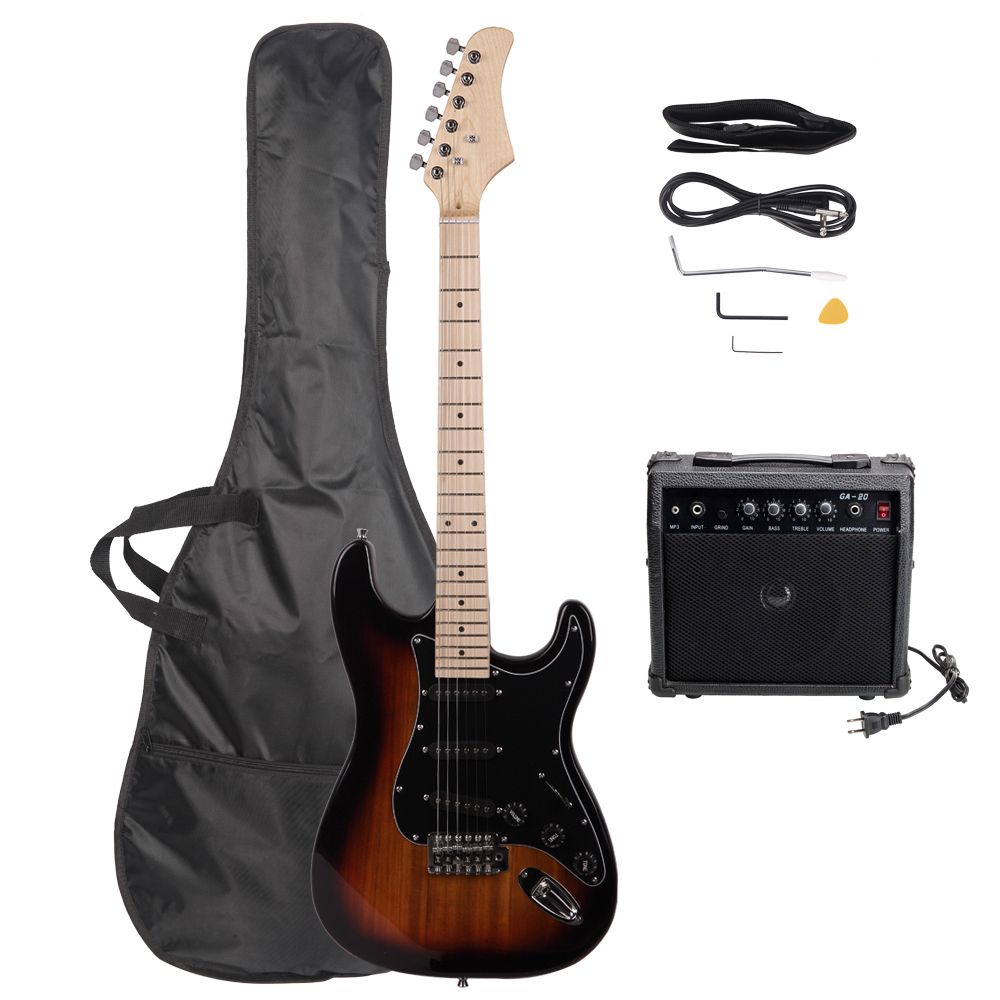
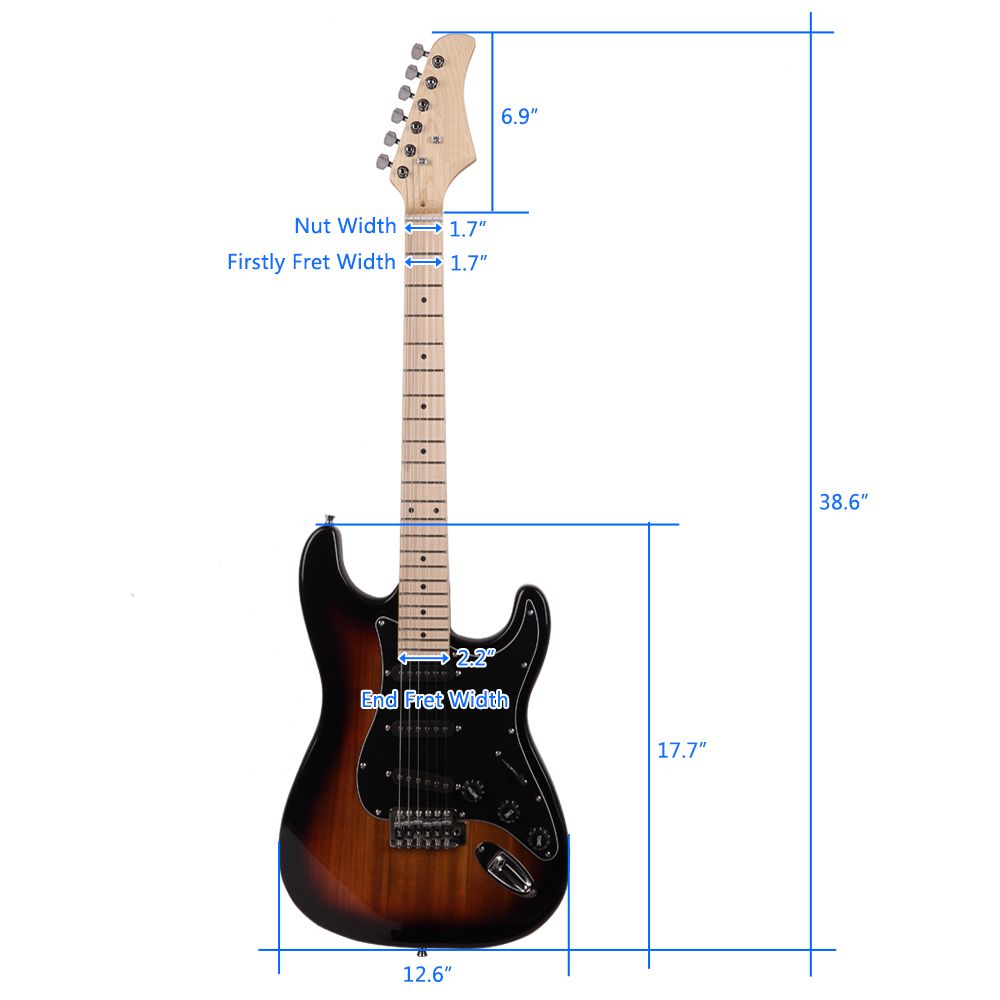
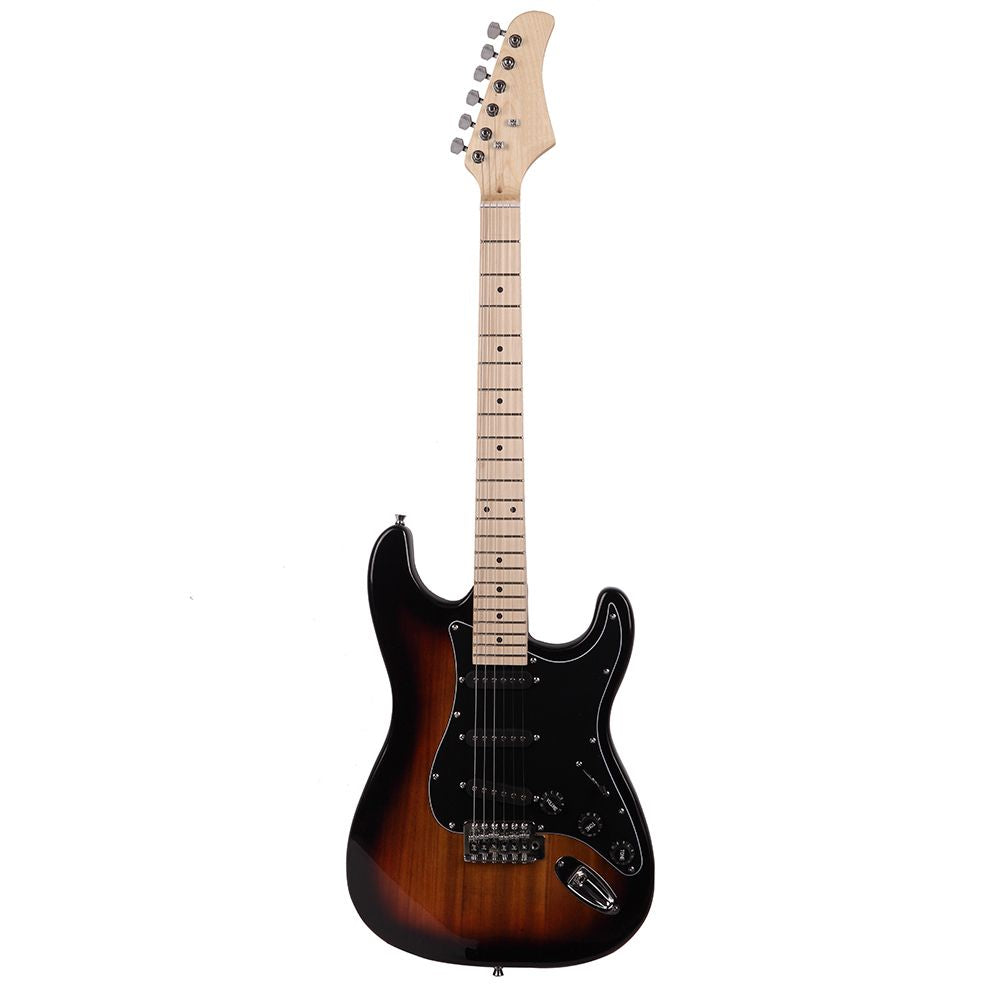
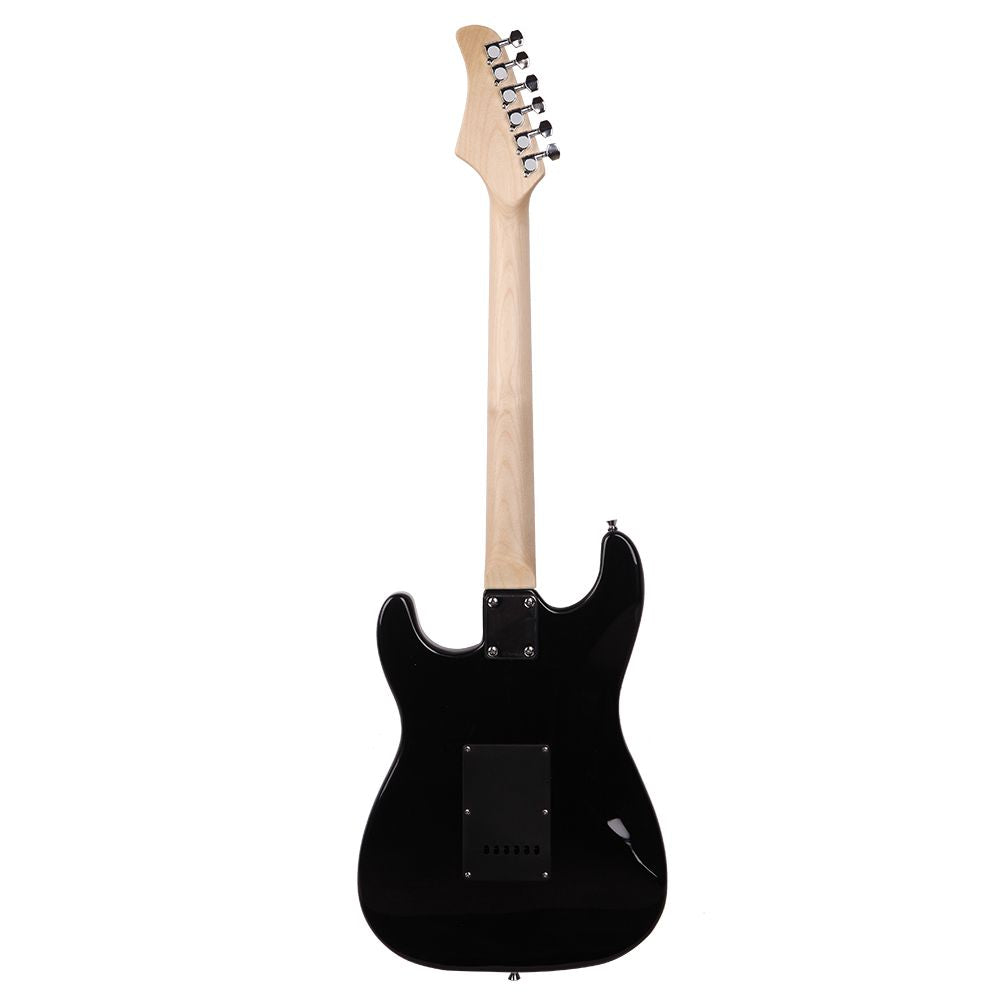
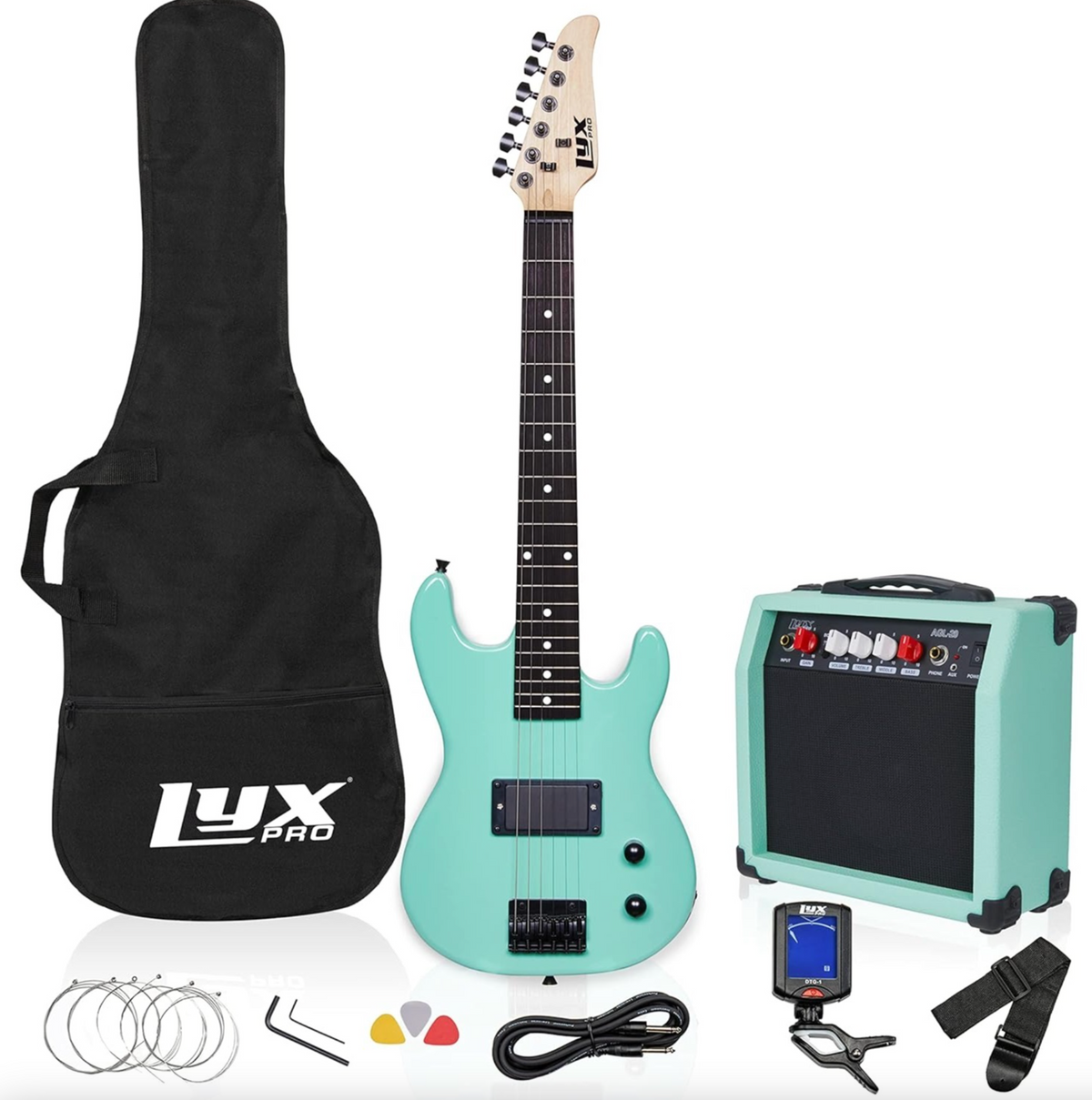
Grades 6+ Full Size Electric Guitar Curriculum Set
New Arrivals
Frog Stepping Stones – Deluxe 6-Piece Set with Bonus Game
Weather Station Curriculum Kit
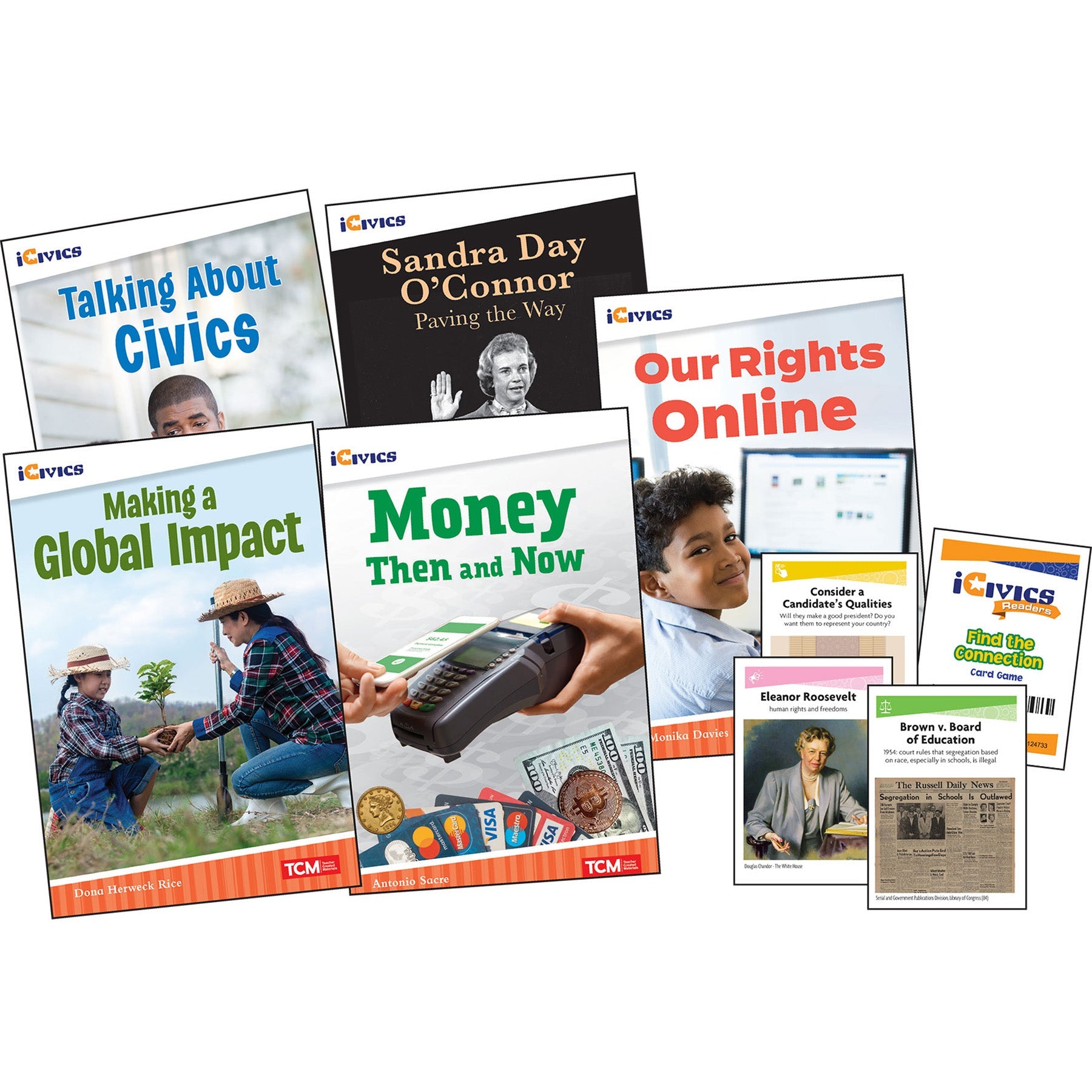
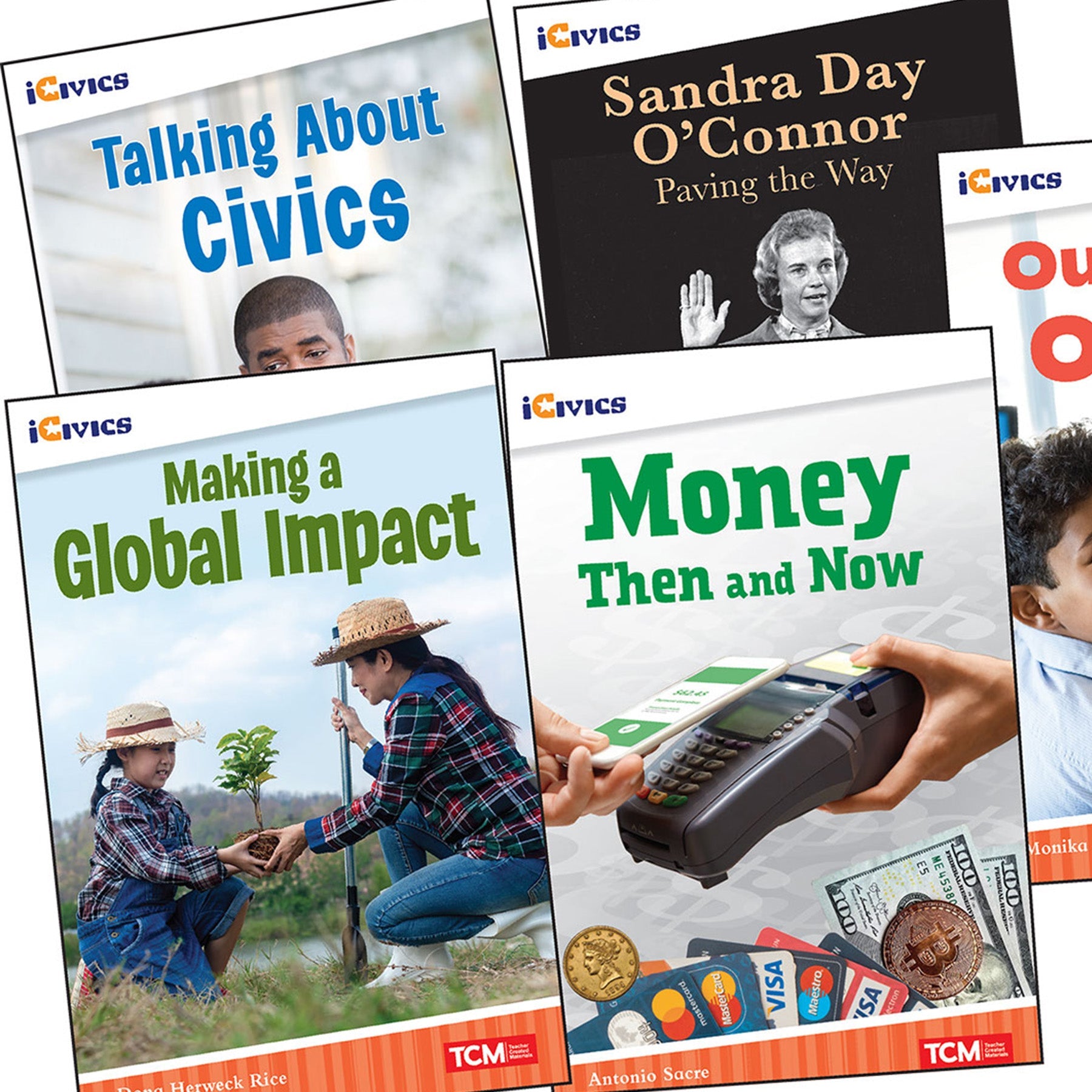
Non-Fiction Books
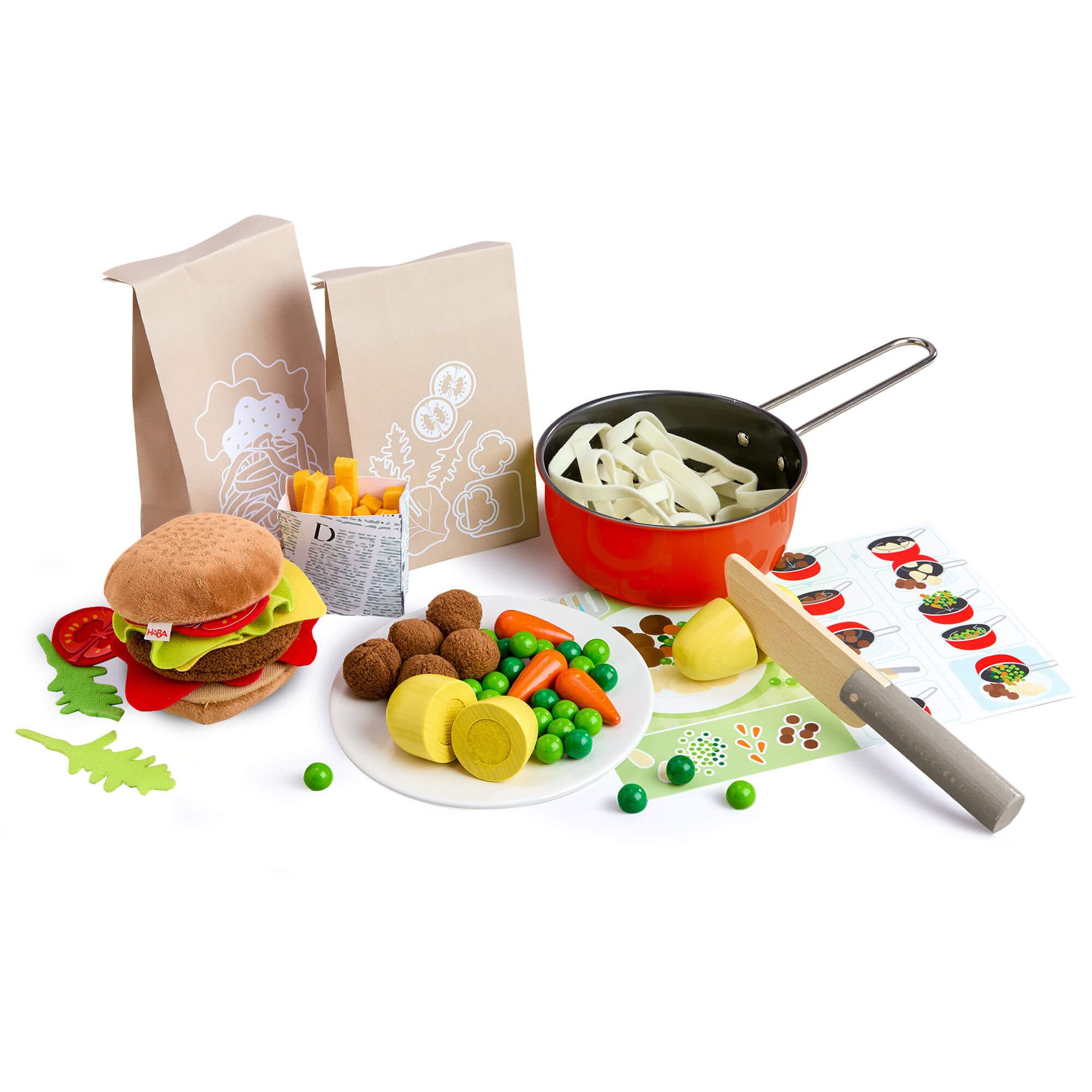
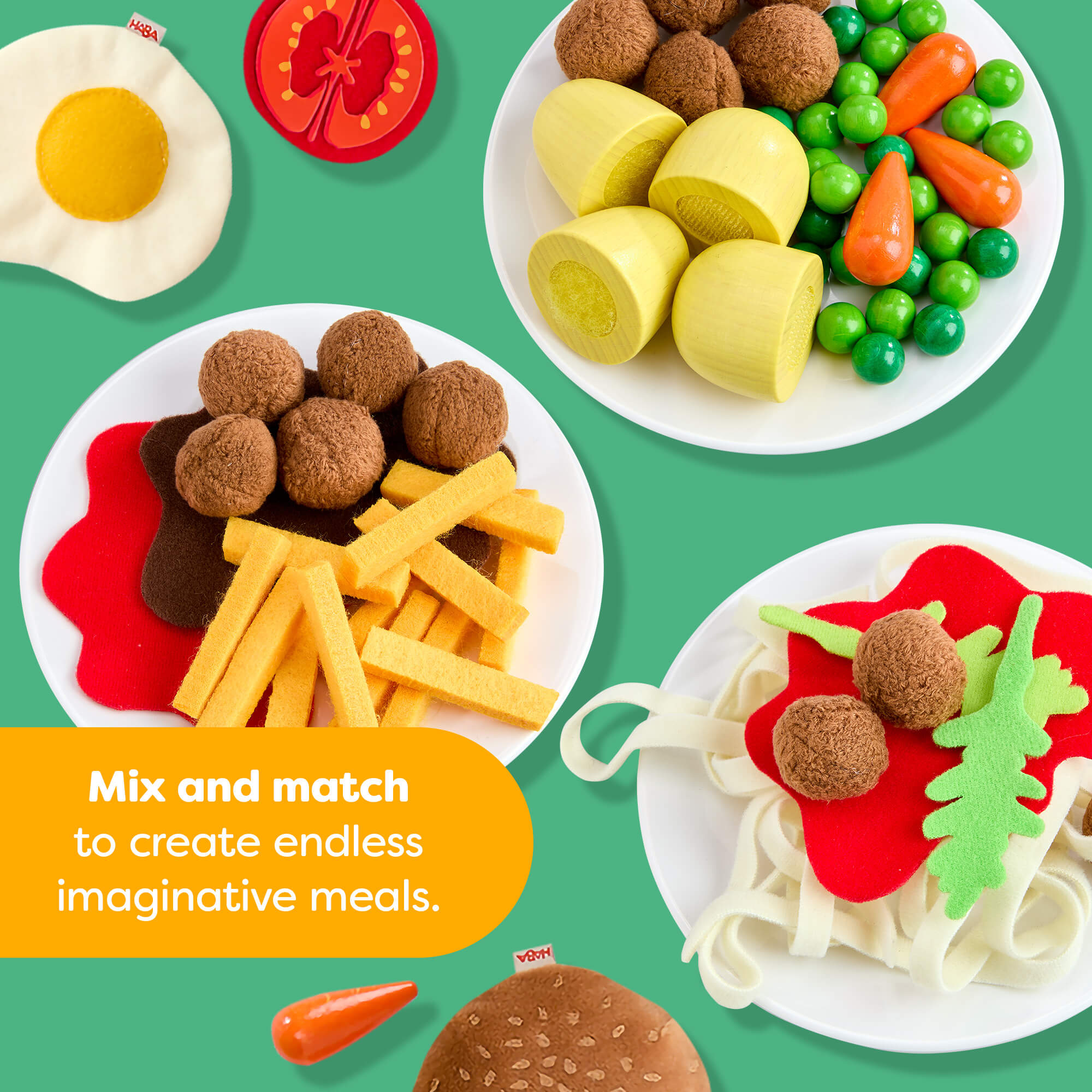
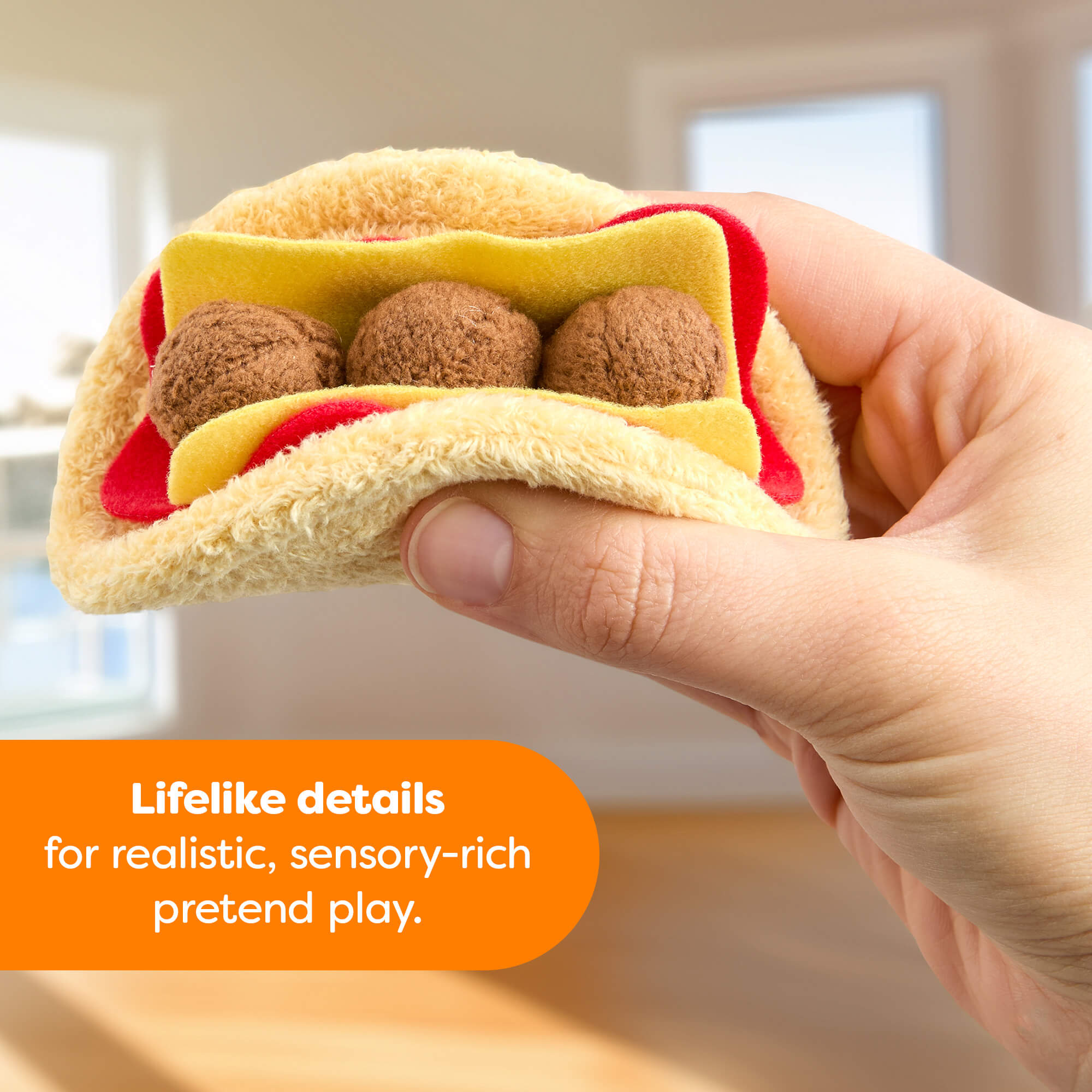
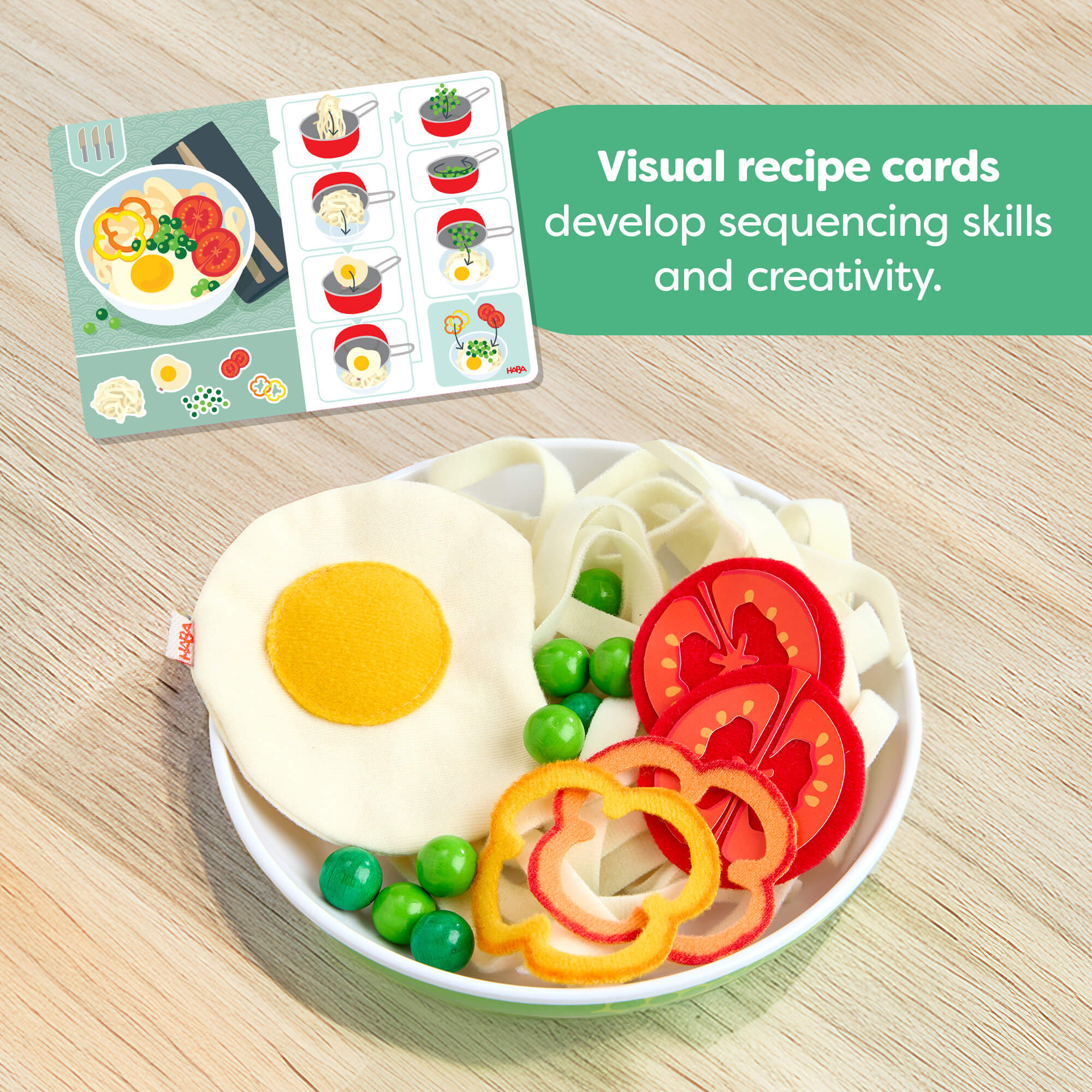
Pretend Play Favorites
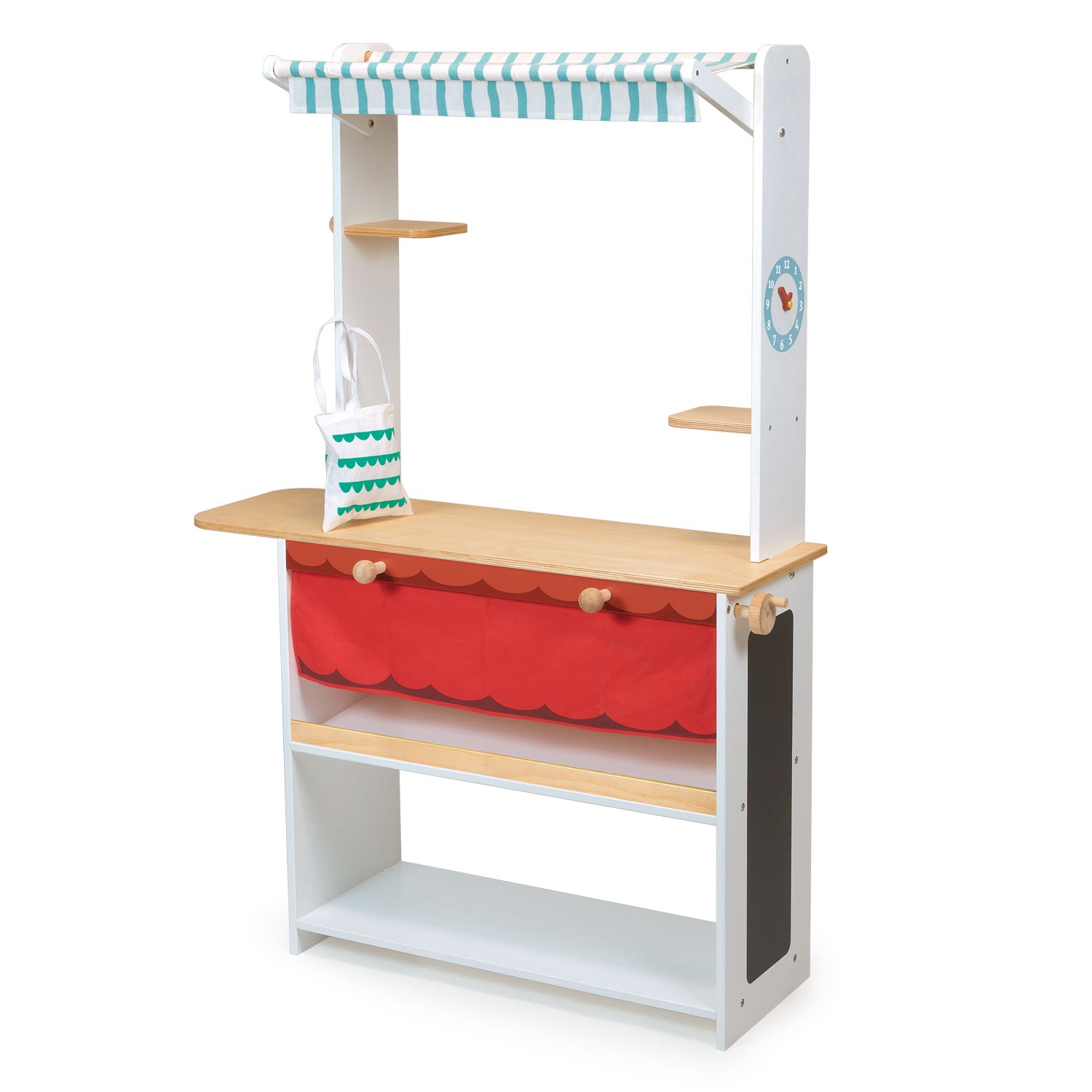
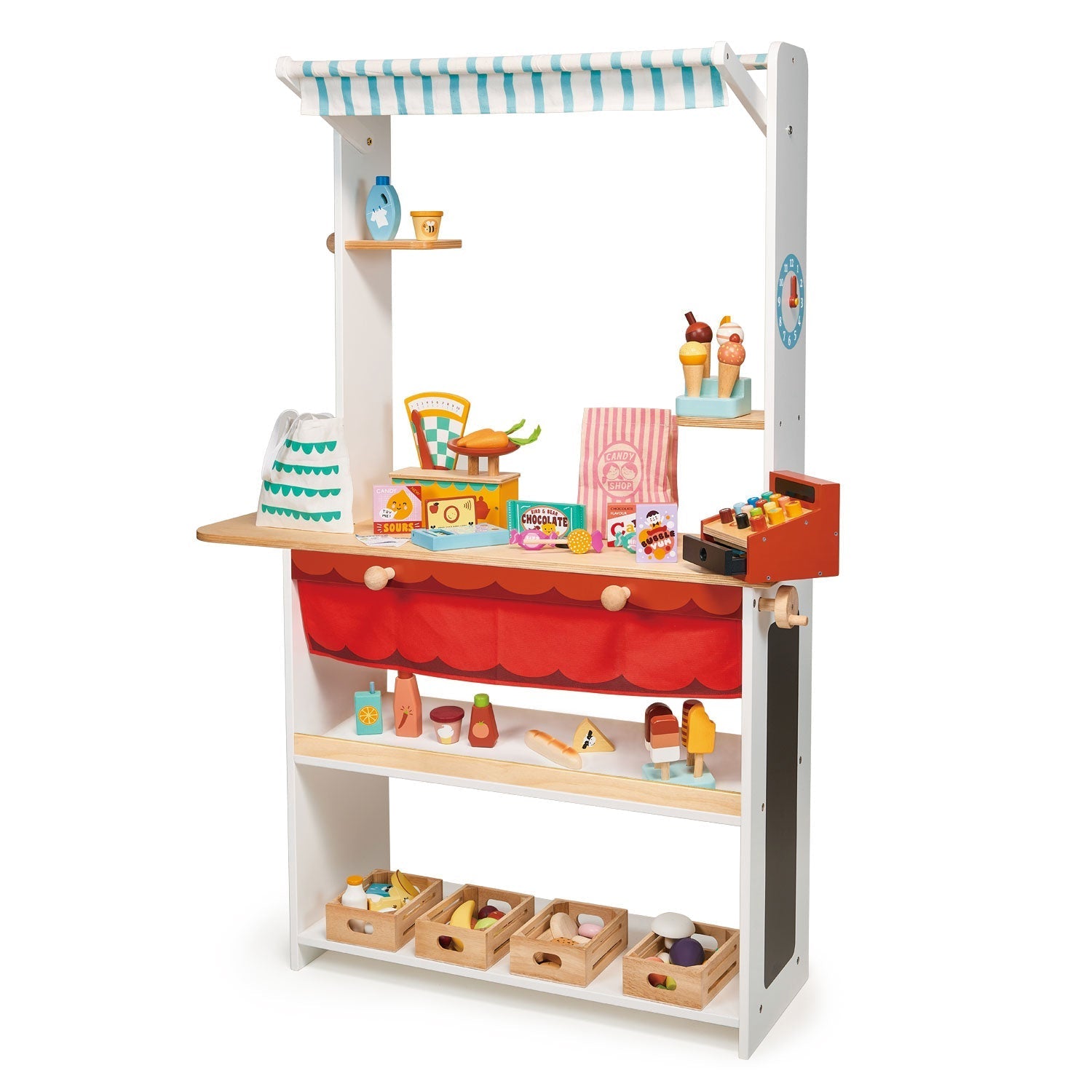
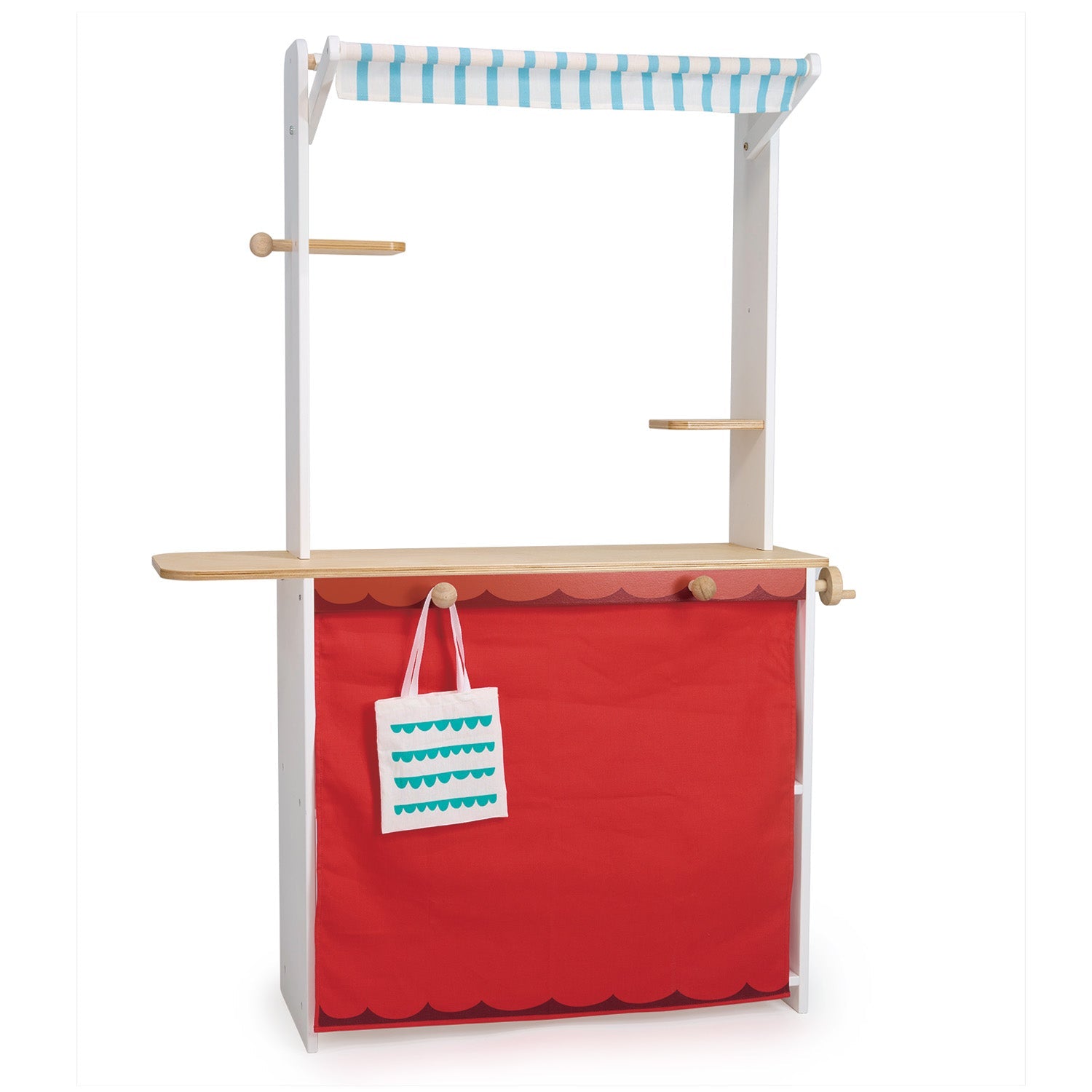
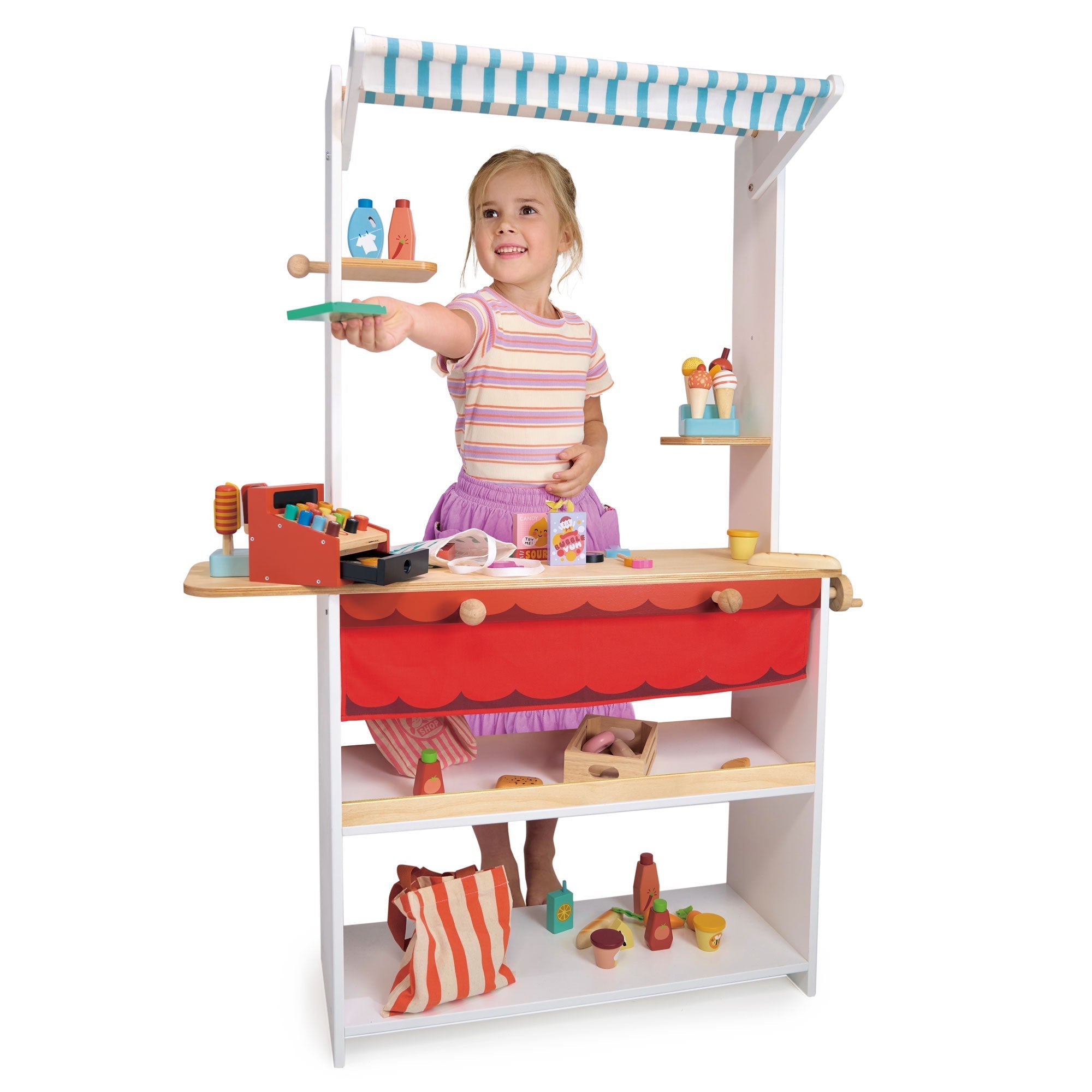
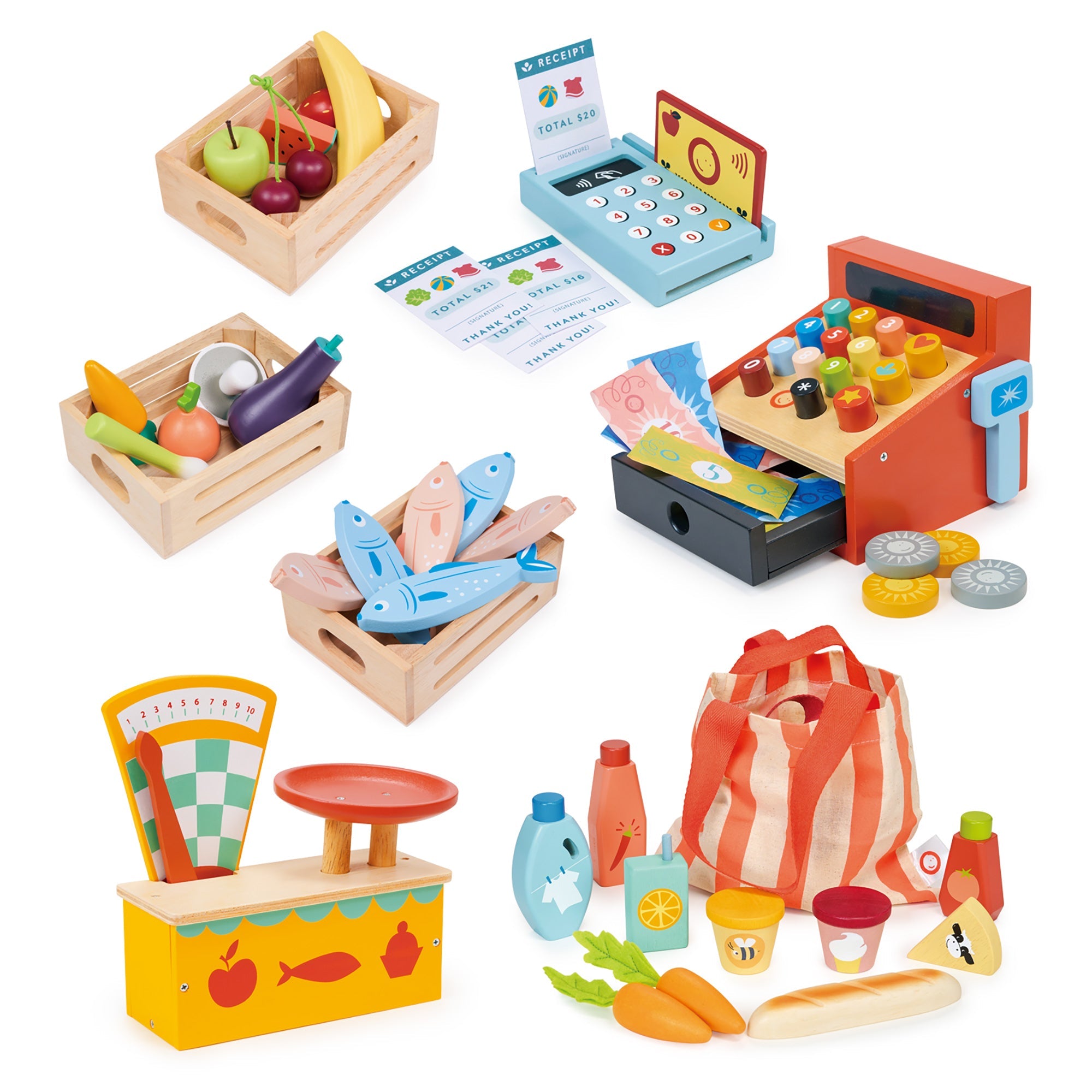
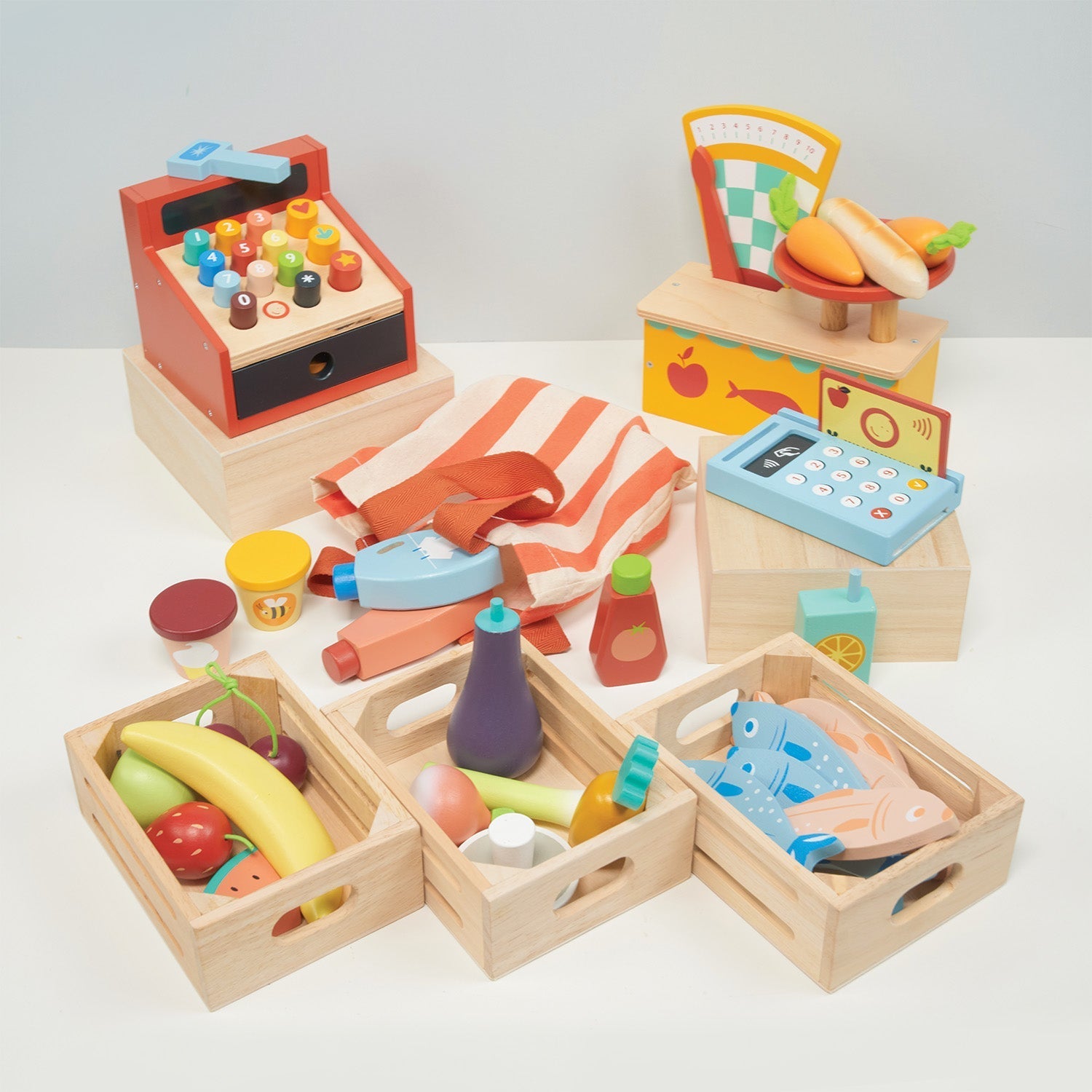
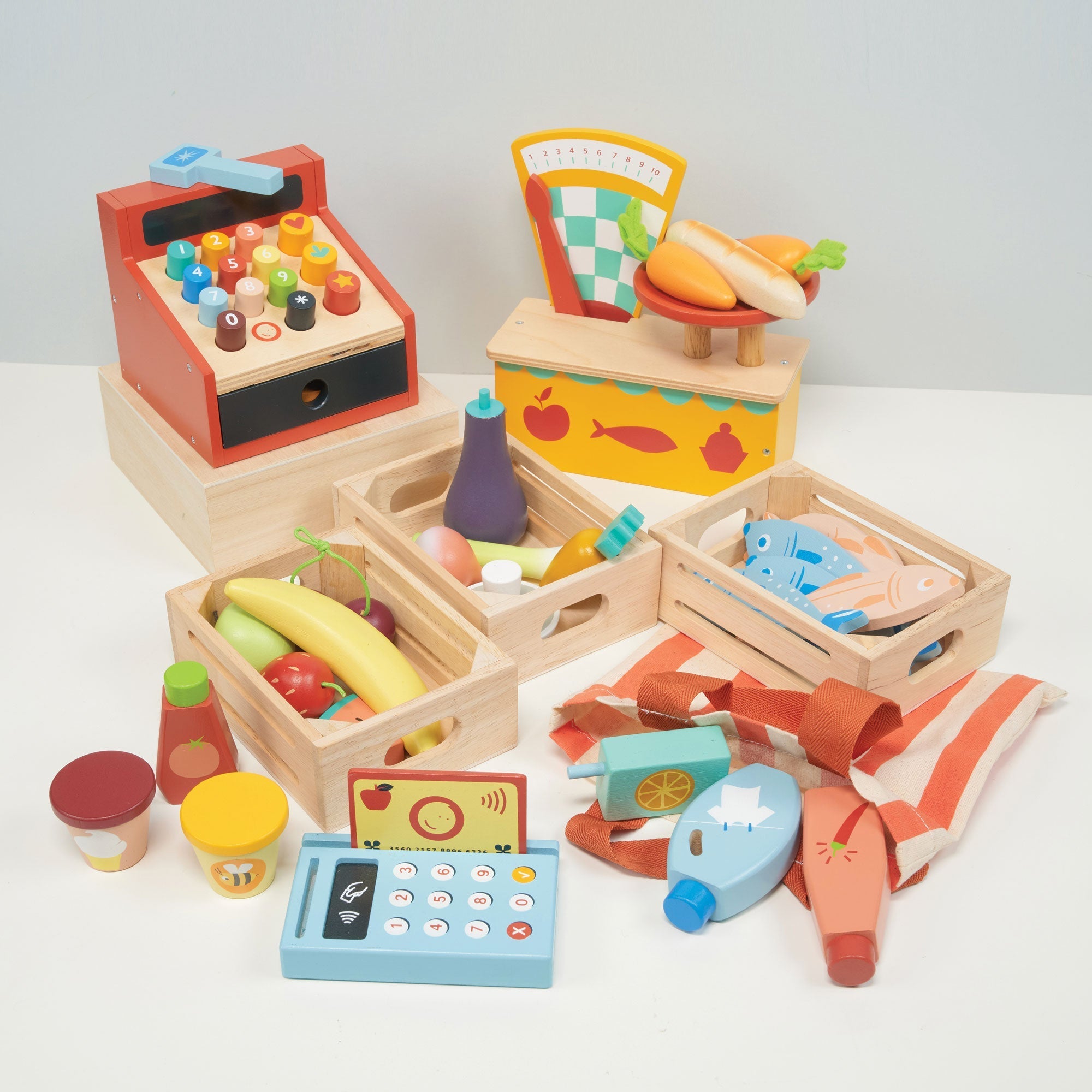
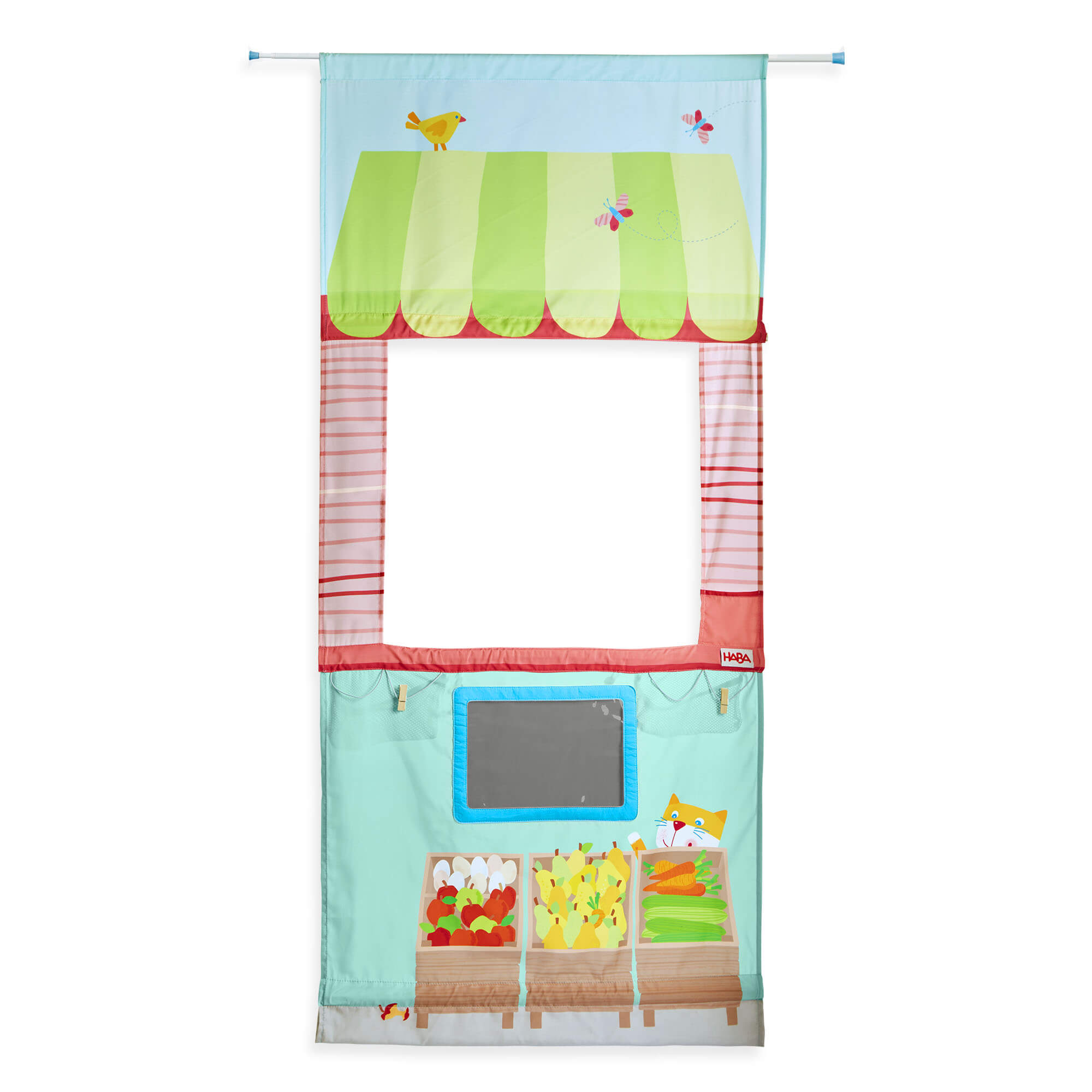
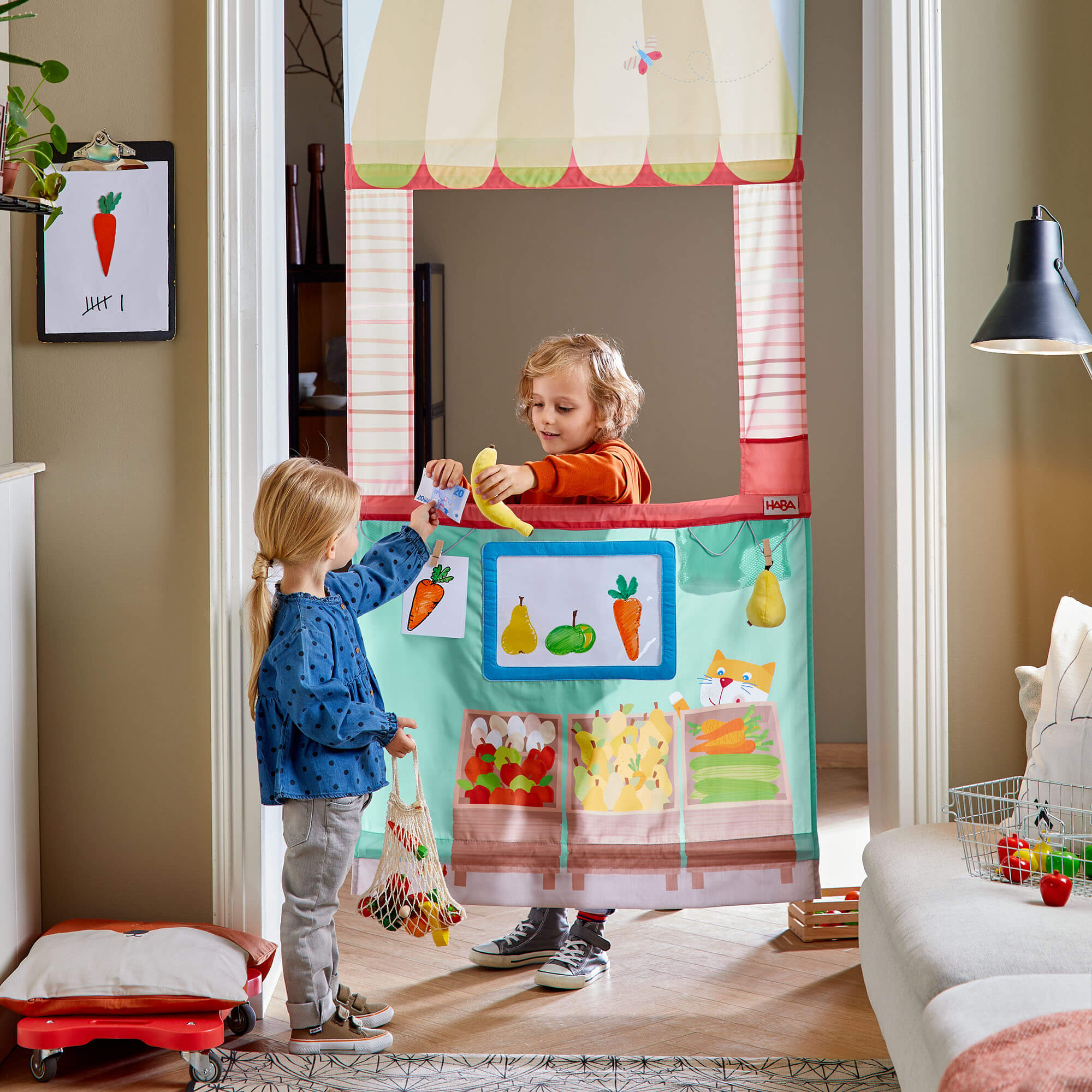
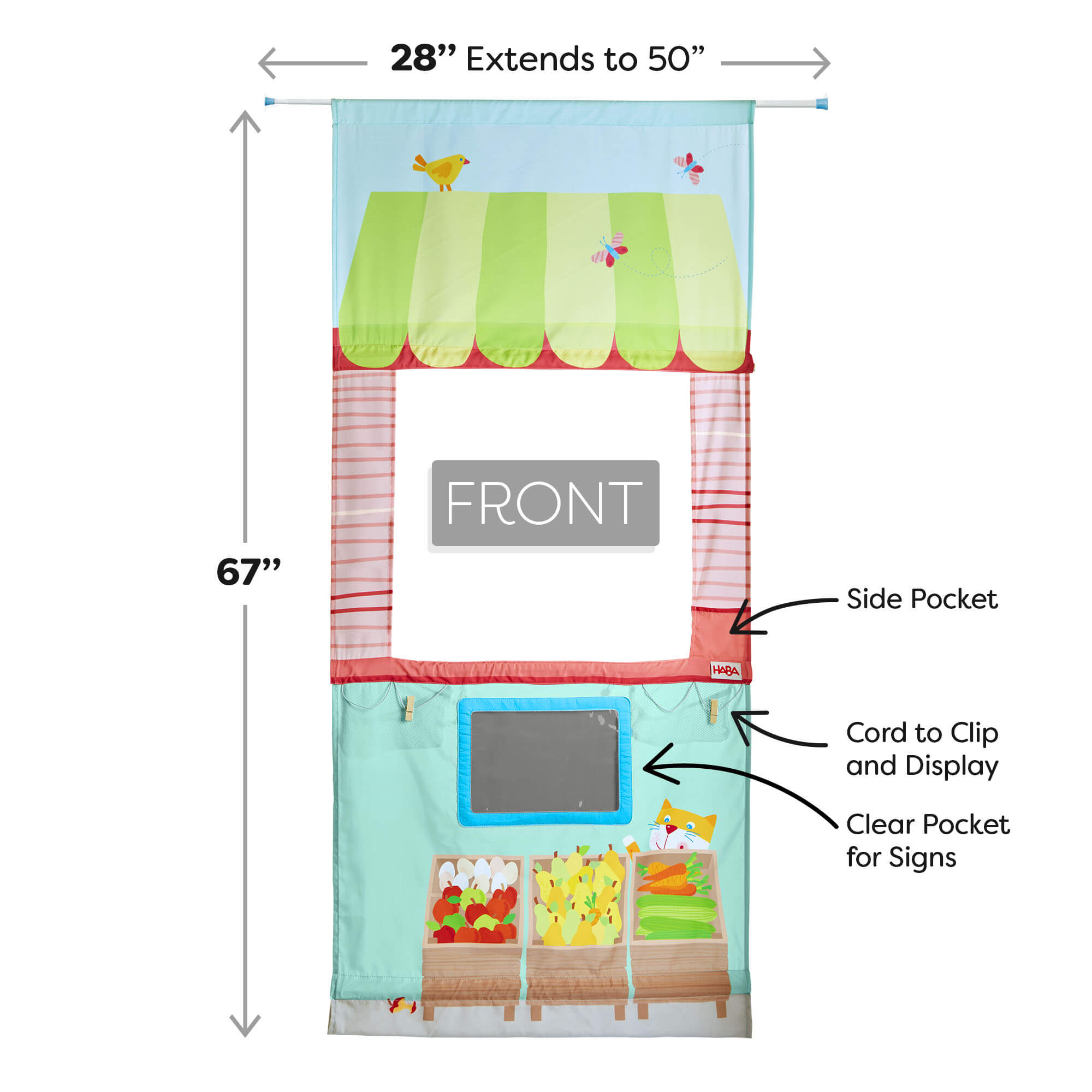
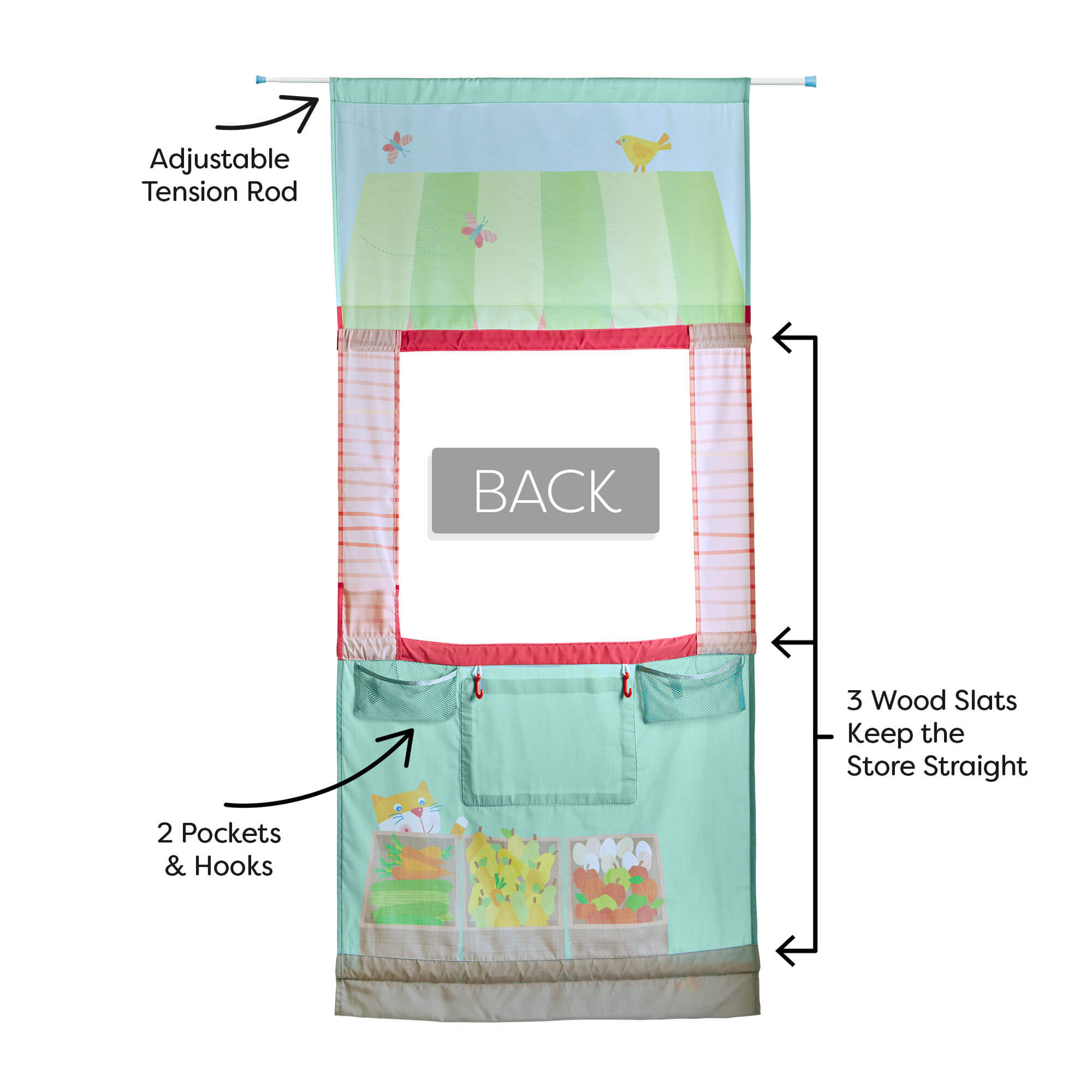
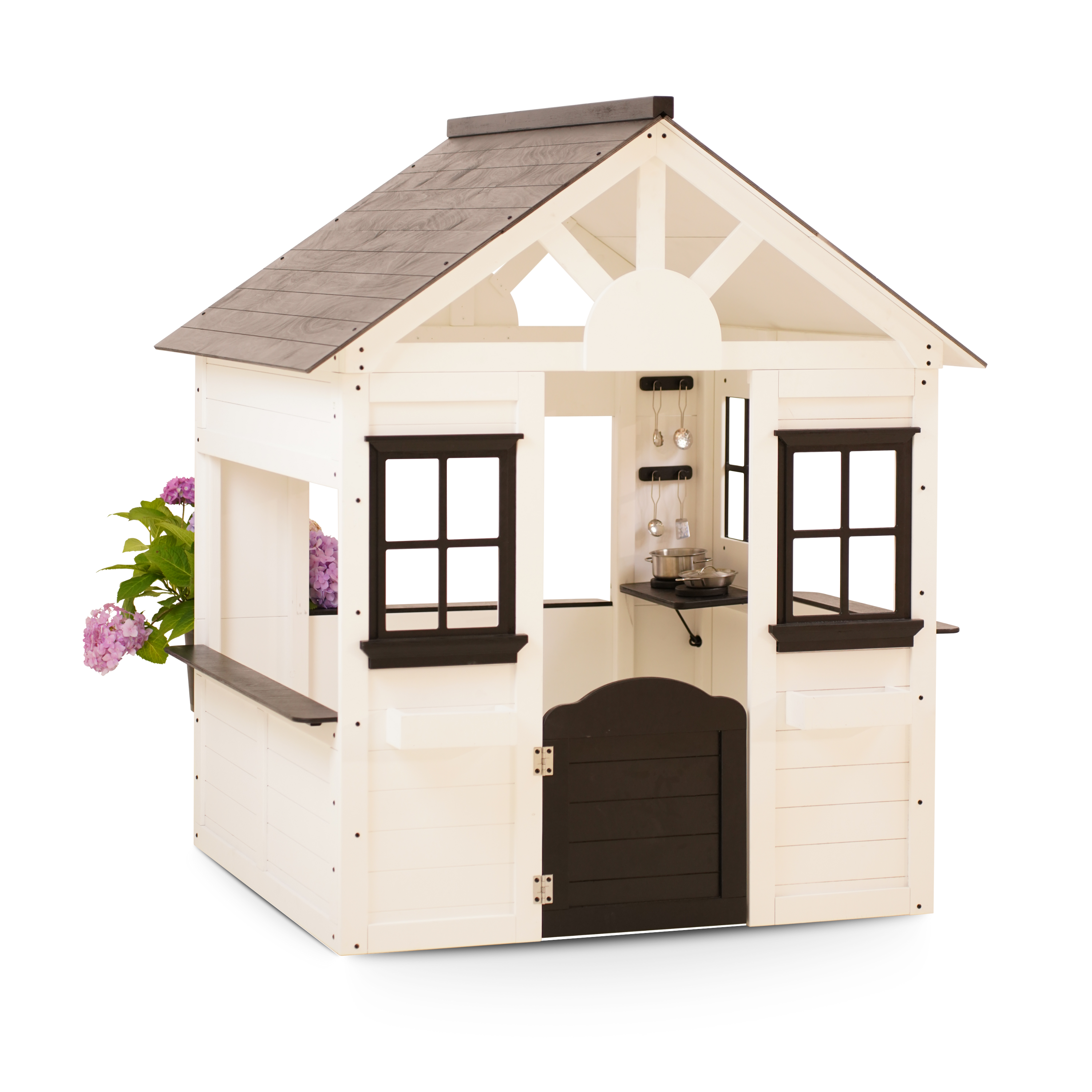
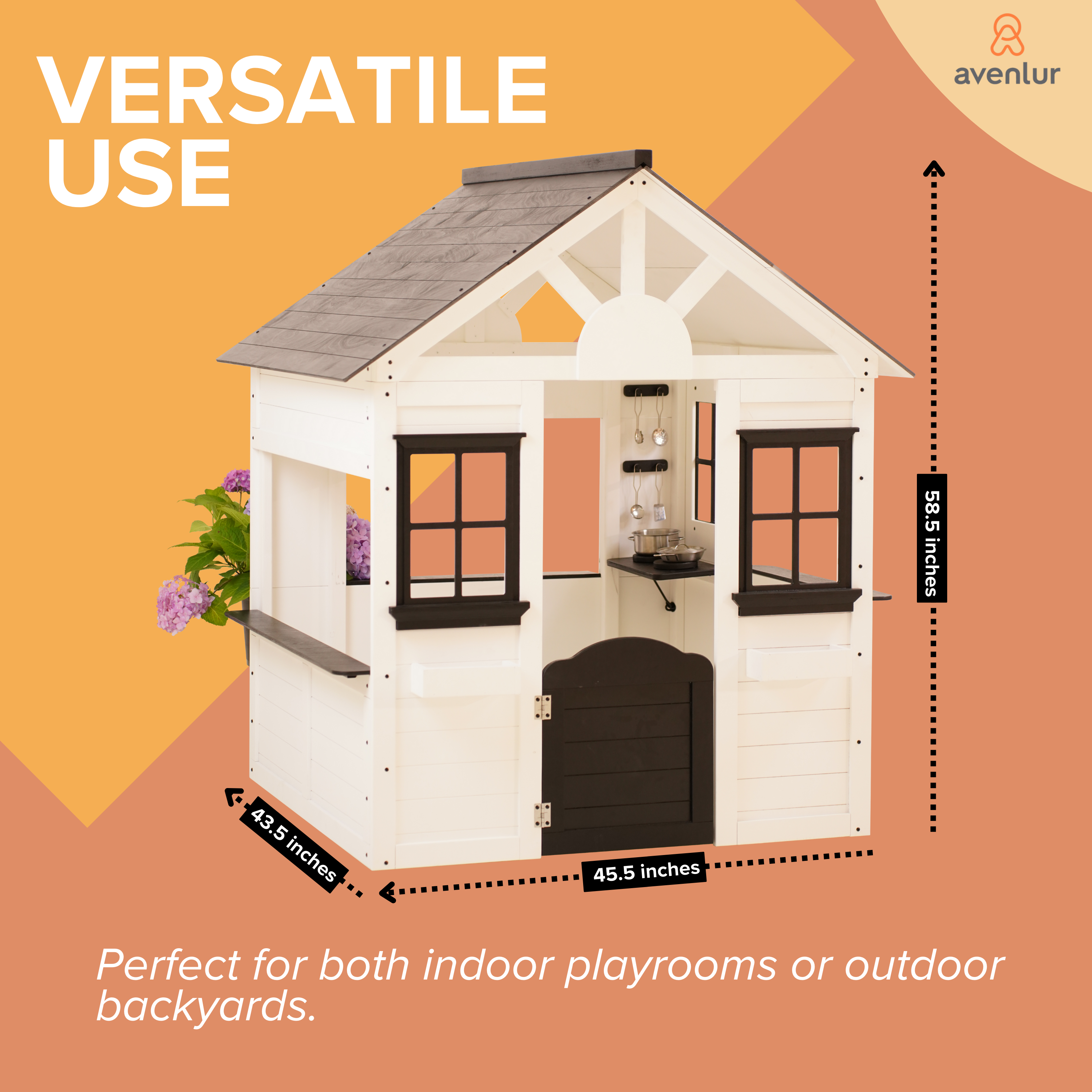
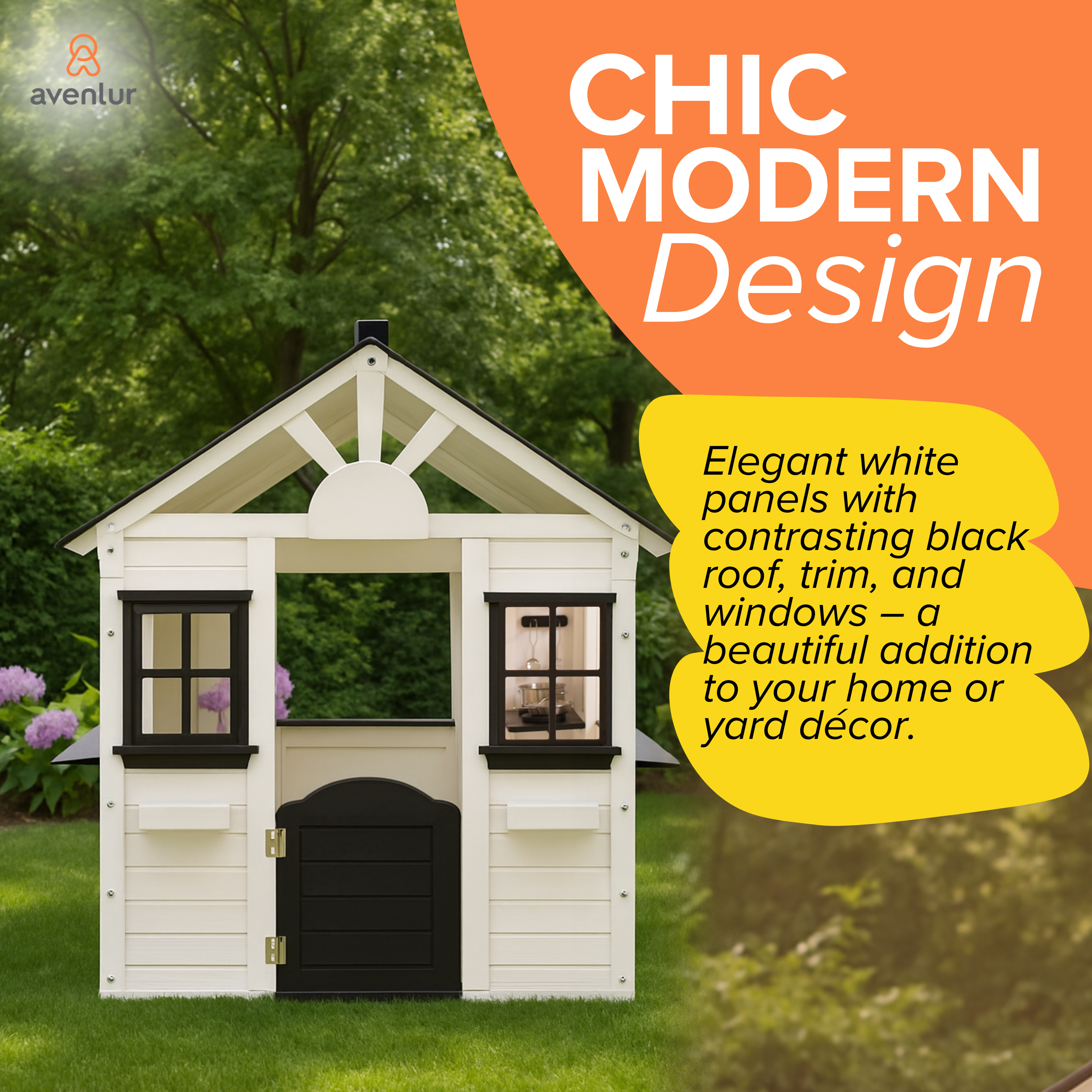
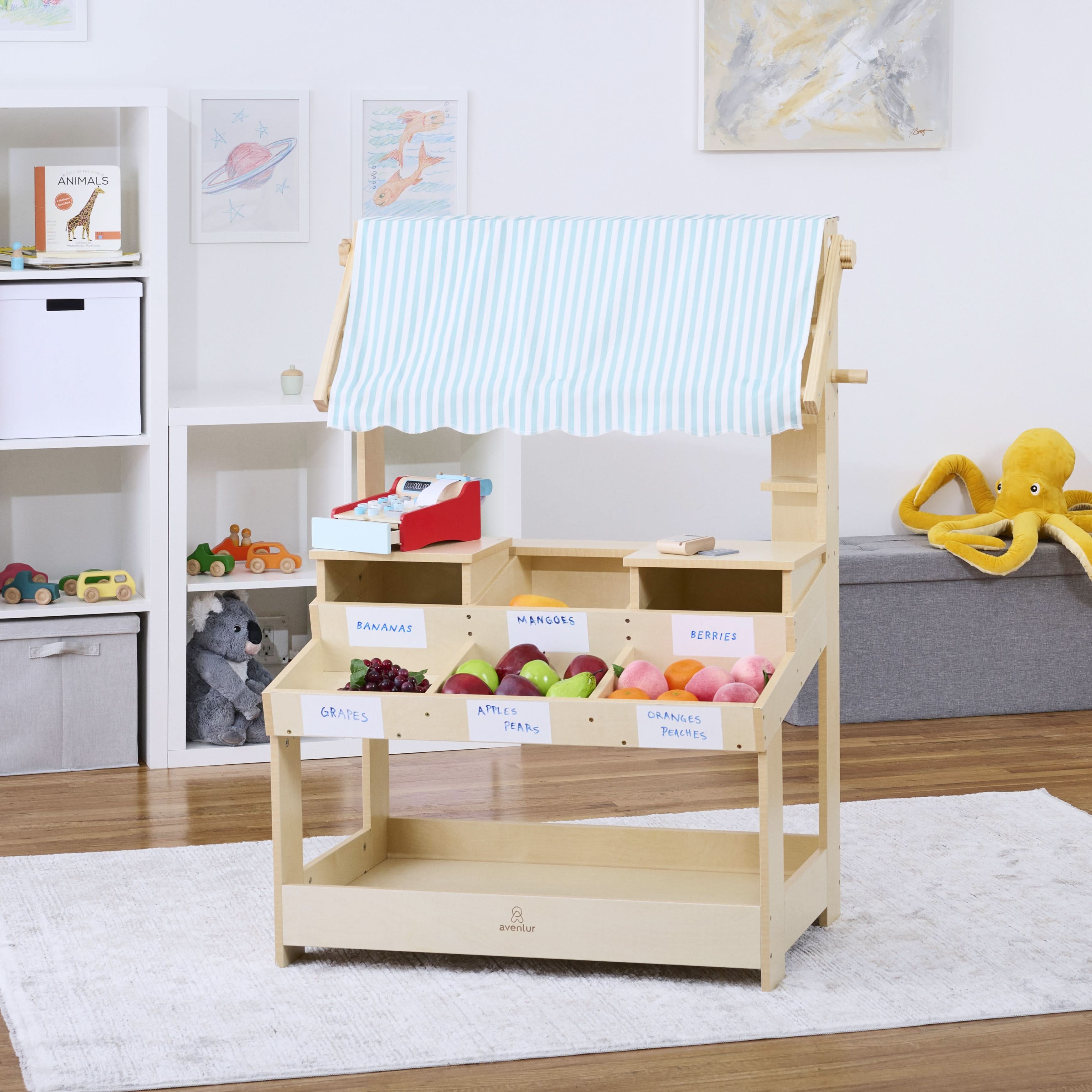
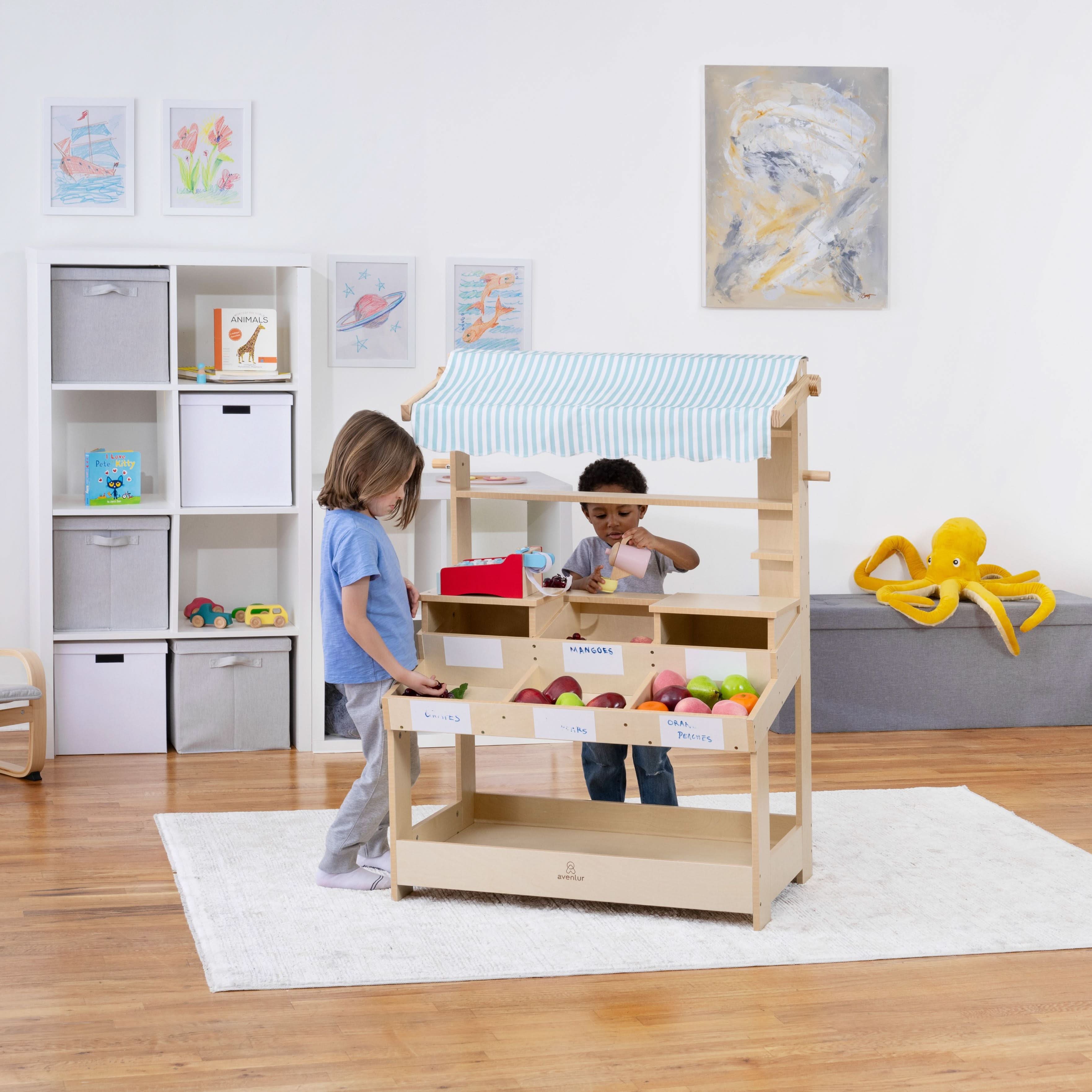
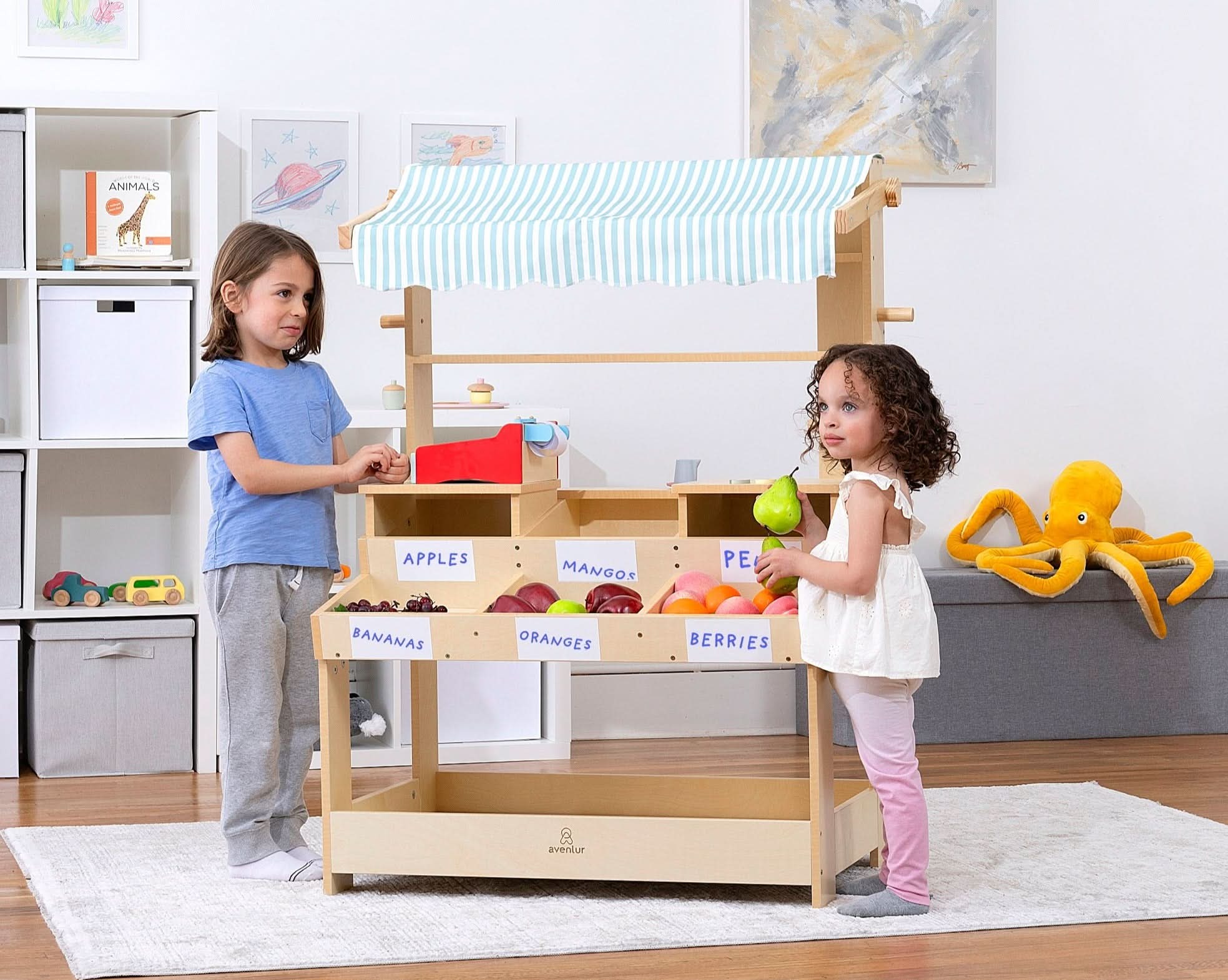
Cypress Wooden Market Stand – Pretend Play Shop for Kids with Storage
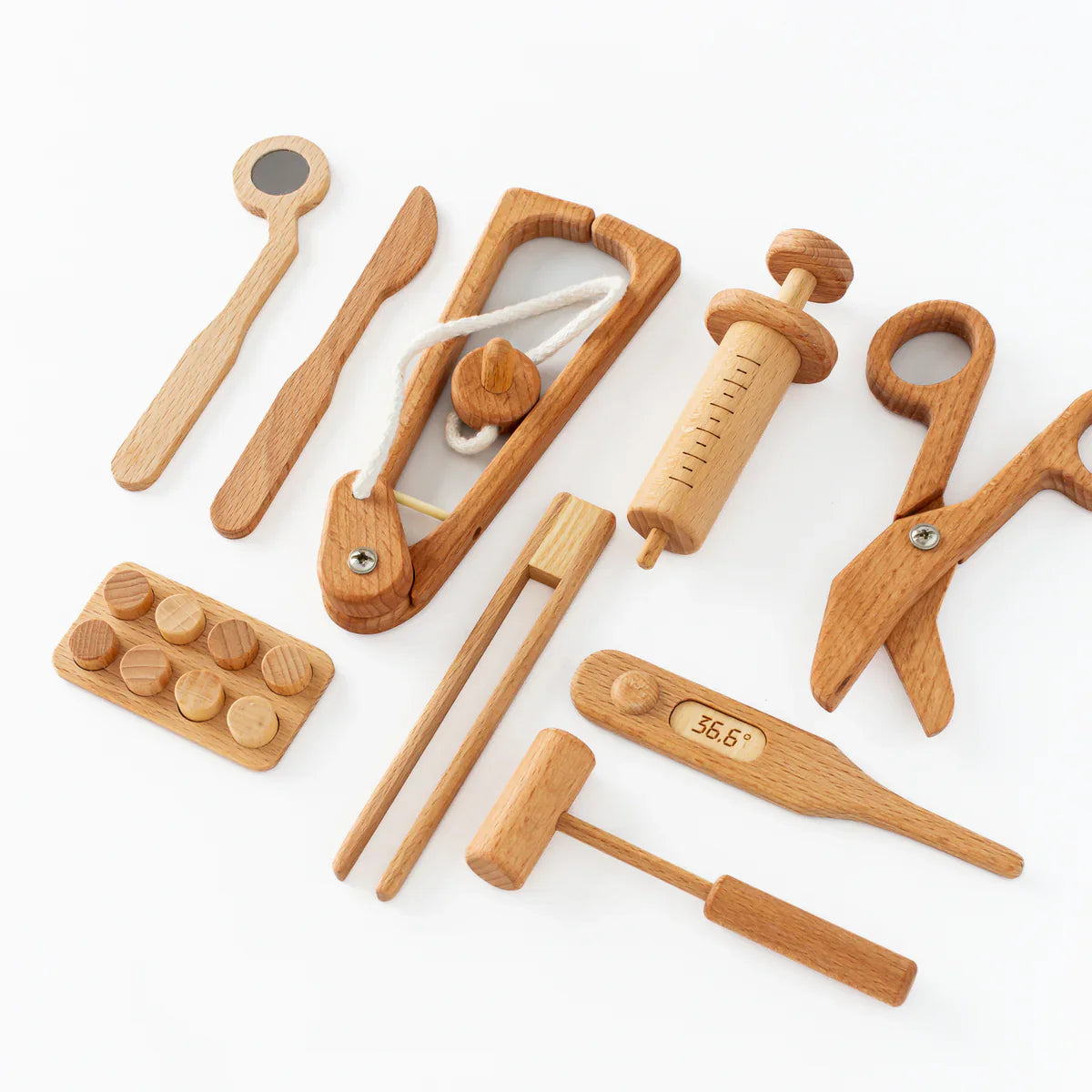
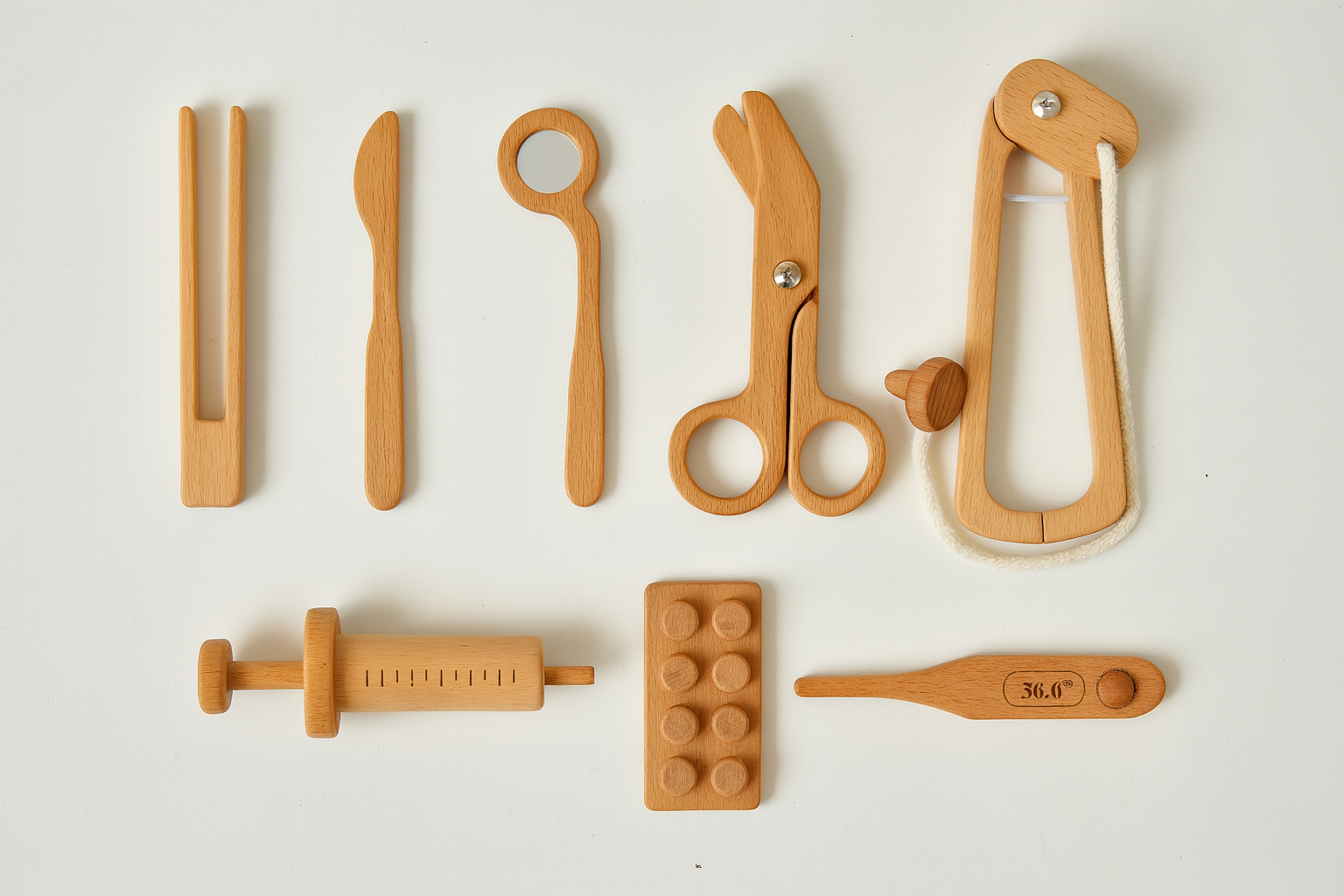
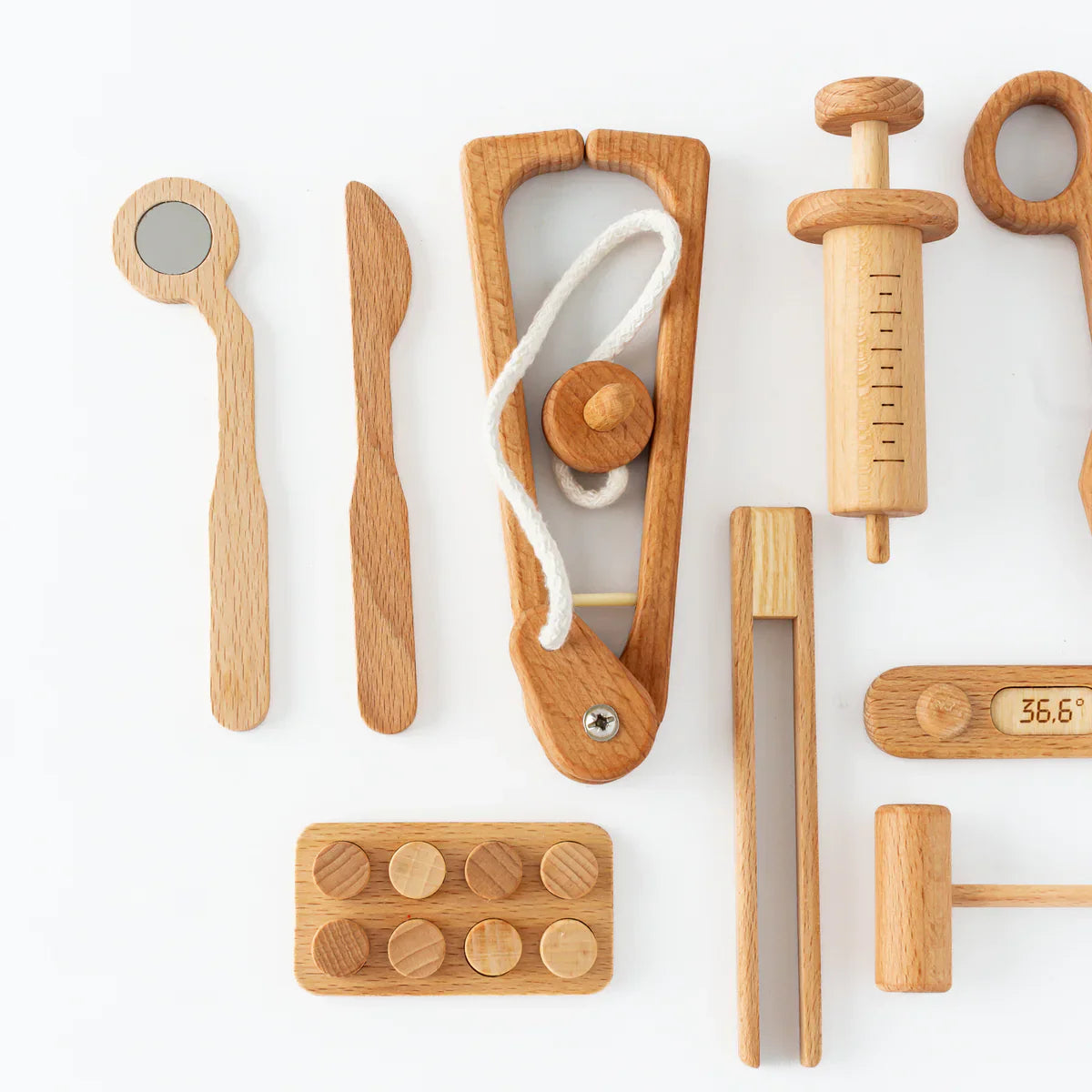
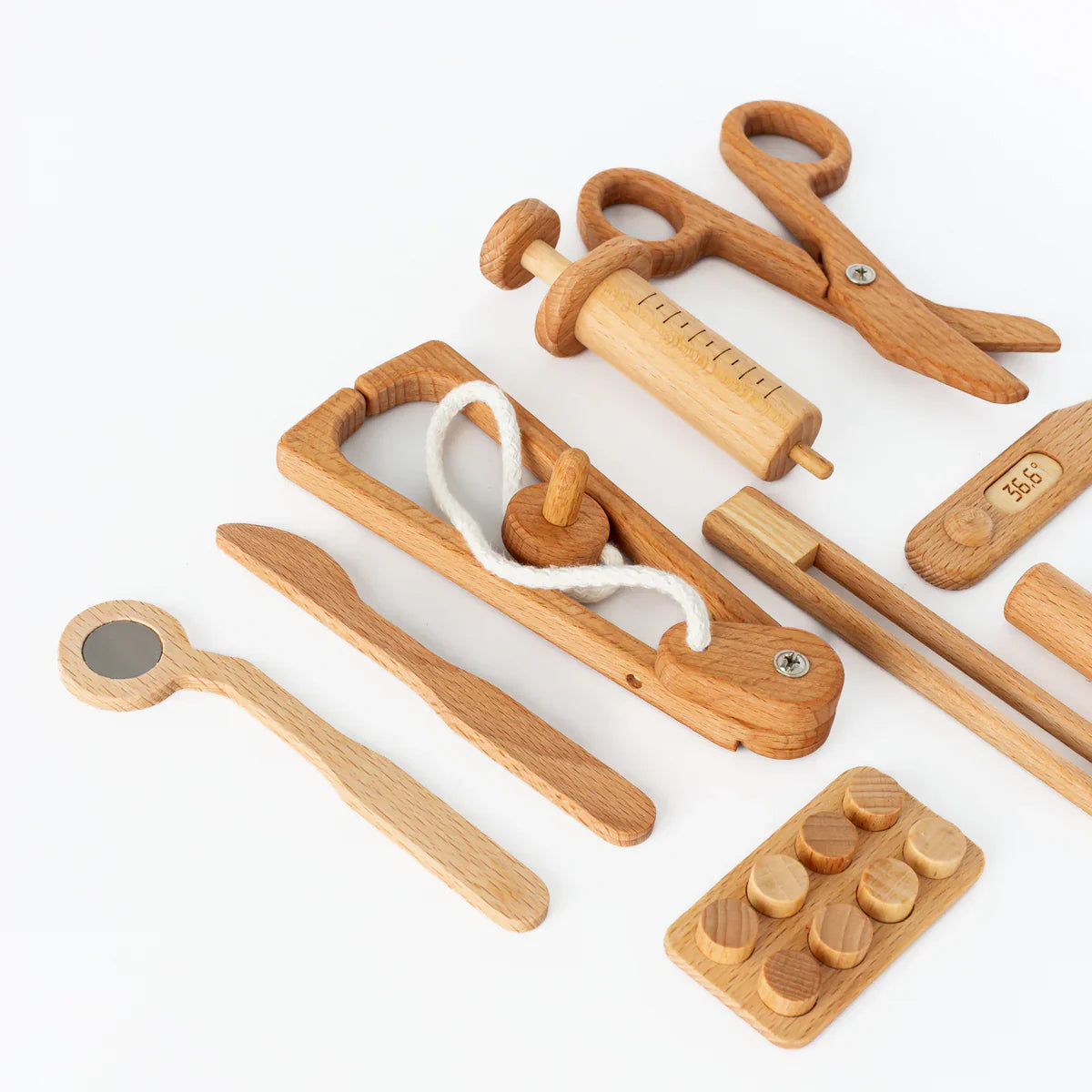
Wooden Doctor Pretend Play Set – Montessori Medical Tools for Kids
PreK - 1st Grade Pretend Play Ice Cream Stand


Bijou Build Mainstay Curriculum Set


Adventures In Birding Curriculum Kit
Smart Bird Feeder Kit with Grades K-12 Curriculum Guide
Turn your backyard, windowsill, or schoolyard into a research station with the Smart Bird Feeder Kit, paired with a 23-page standards-aligned curriculum guide for Grades K through 12. This is not just a feeder. Its 2K HD camera, automatic capture, and AI species identification bring wild birds close enough to study in real detail, and the curriculum uses that live data to teach animal science, ecology, data, and technology together. A single device connects birds, energy, and artificial intelligence in one place, and students learn from all three.
What's Included
The Smart Bird Feeder features a 2K HD camera aimed at the feeding perch that captures sharp photos and video, letting students see the field marks, like eye color and feather patterns, that make identification possible. Auto-capture uses a sensor to detect a bird's arrival and record automatically, so observations are collected around the clock, including birds and behaviors no one would catch by watching in person. AI species identification suggests the species from the image, drawing on a database of more than 10,000 birds, and gives students both a fast starting point and a lesson in checking a smart tool against the evidence. Solar power charges a built-in battery from sunlight, so the feeder runs outdoors with no cords. A companion app sends alerts, stores the photo and video library, and keeps a running list of the species seen, serving as the data hub students count, graph, and analyze over time.
Additional Supplies Suggested (sold separately)
Bird seed, with black-oil sunflower recommended to attract the widest variety of species. A phone or tablet with Wi-Fi to run the companion app. A mounting spot or pole if one is not included. A field guide or free ID app such as Merlin Bird ID for confirming the AI's suggestions. A field journal for sketches, logs, and the worksheets. Binoculars and a sealed seed container are optional but helpful.
Curriculum Overview
The 23-page guide runs two kinds of science side by side: the biology of the birds the feeder attracts and the technology that captures and identifies them. It aligns to NGSS life science and engineering, CSTA computer science standards for the AI and computer-vision content, CCSS Math and ELA, CASEL SEL, and CTE. A How It Works science explainer opens the guide, covering why birds come to a feeder, how the camera and auto-capture form an image, how the AI is trained to identify a species and why it can be wrong, and how solar power runs the whole system. A standout theme runs throughout: students are taught to treat the AI's identification as a suggestion to verify, and by high school they design an actual test of its accuracy and discuss training data and bias, turning the technology into real critical thinking.
Grade Band Summary
Grades K-2 (Who's at the Feeder?) notice and describe visiting birds, name their parts, count visitors, and learn what birds need and how to care for the feeder. Grades 3-5 (Backyard Field Scientists) identify common species, keep organized field data, graph feeder visits, and investigate how beak and foot shape fit a bird's food and habitat. Grades 6-8 (Ornithology, Data and How the Camera Sees) study classification, adaptation, and behavior, run a feeder-watch investigation, learn how the camera and AI work, and contribute to real citizen science. Grades 9-12 (Field Biology, Data Science and AI) analyze biodiversity and behavior with statistics, critique the machine-learning system that identifies species, contribute verified data to science, and explore related careers.
Worksheets
My Feeder Bird (K-2): draw a visitor and name its parts. Count the Visitors (K-2): tally and compare feeder traffic. Species Spotter Log (3-5): a scientist's record of who visits, doubling as a life list. Beak Detective (3-5): match beak shape to food. Feeder Data Chart (3-5): turn counts into a bar graph. Feeder Watch Investigation (6-8): ask a testable question and analyze data over time. How the AI Sees a Bird (6-8): trace how a camera and machine learning identify a species and find an error. Biodiversity and Data Analysis (9-12): calculate relative abundance and interpret the local community. Machine Learning and Accuracy (9-12): design and run a test of the AI's accuracy. Career Explorer (9-12): research a career in birds, data, or technology.
Also Included
A How It Works science explainer, a Cross-Curricular Integration section connecting science, technology, math, language arts, nature connection, and career pathways, a Free Online Resources page anchored on the Cornell Lab tools, a Care and Maintenance guide covering the feeder, camera, solar panel, app, and bird health, and a Safety Guidelines section.
Designed for homeschool families, classrooms, nature and STEM programs, and after-school and enrichment settings. Curriculum guide delivered digitally as a PDF after purchase.